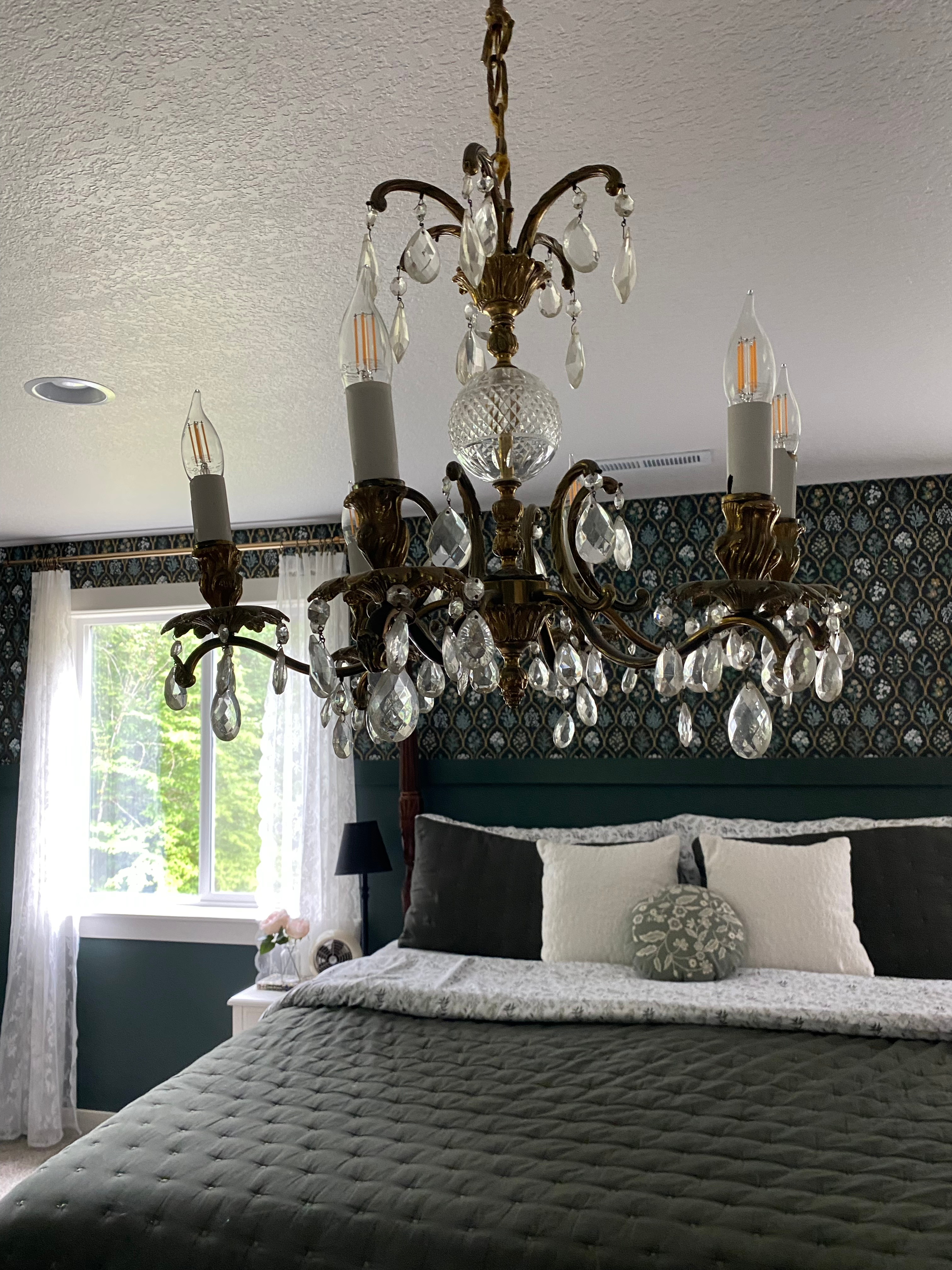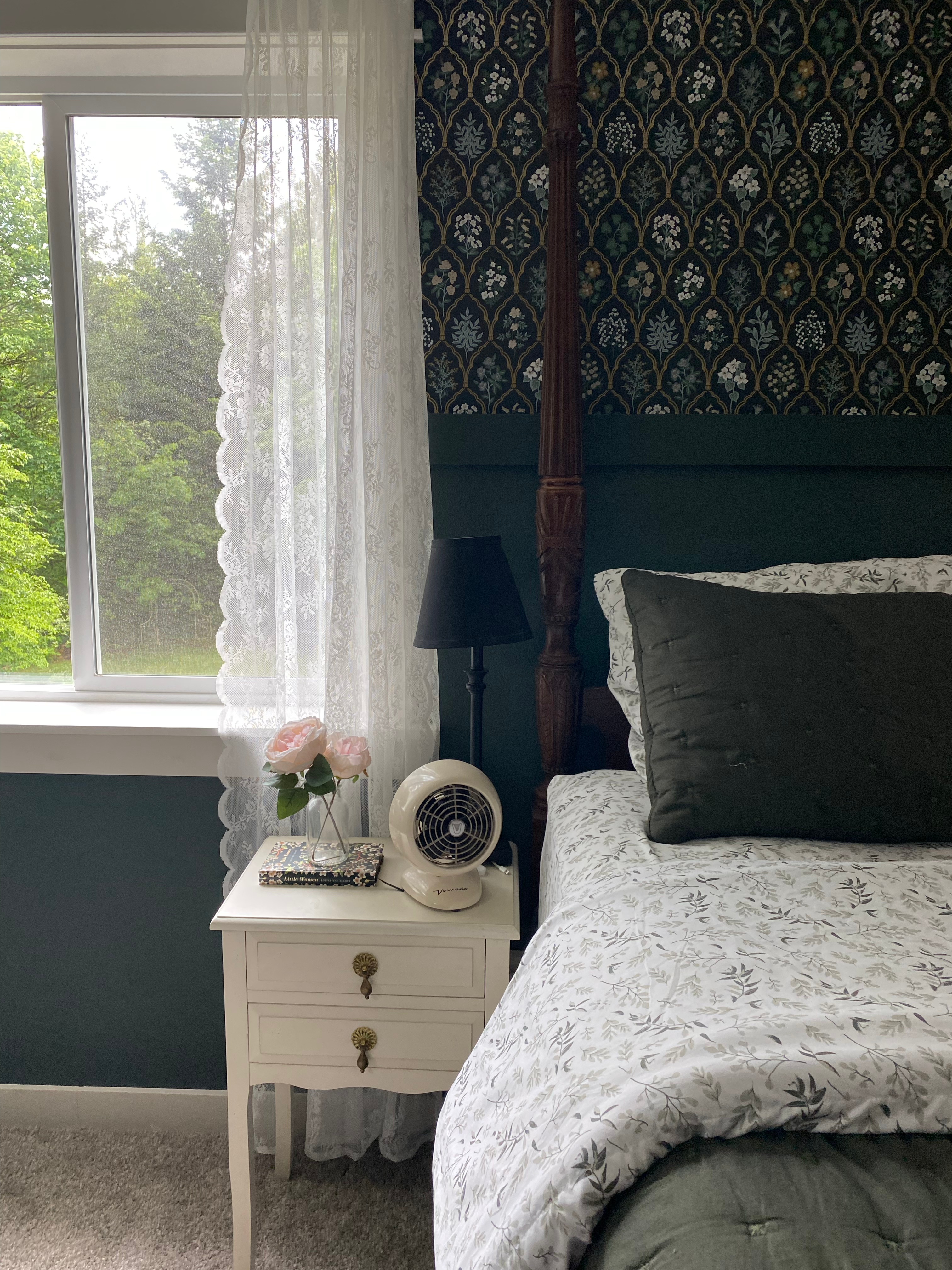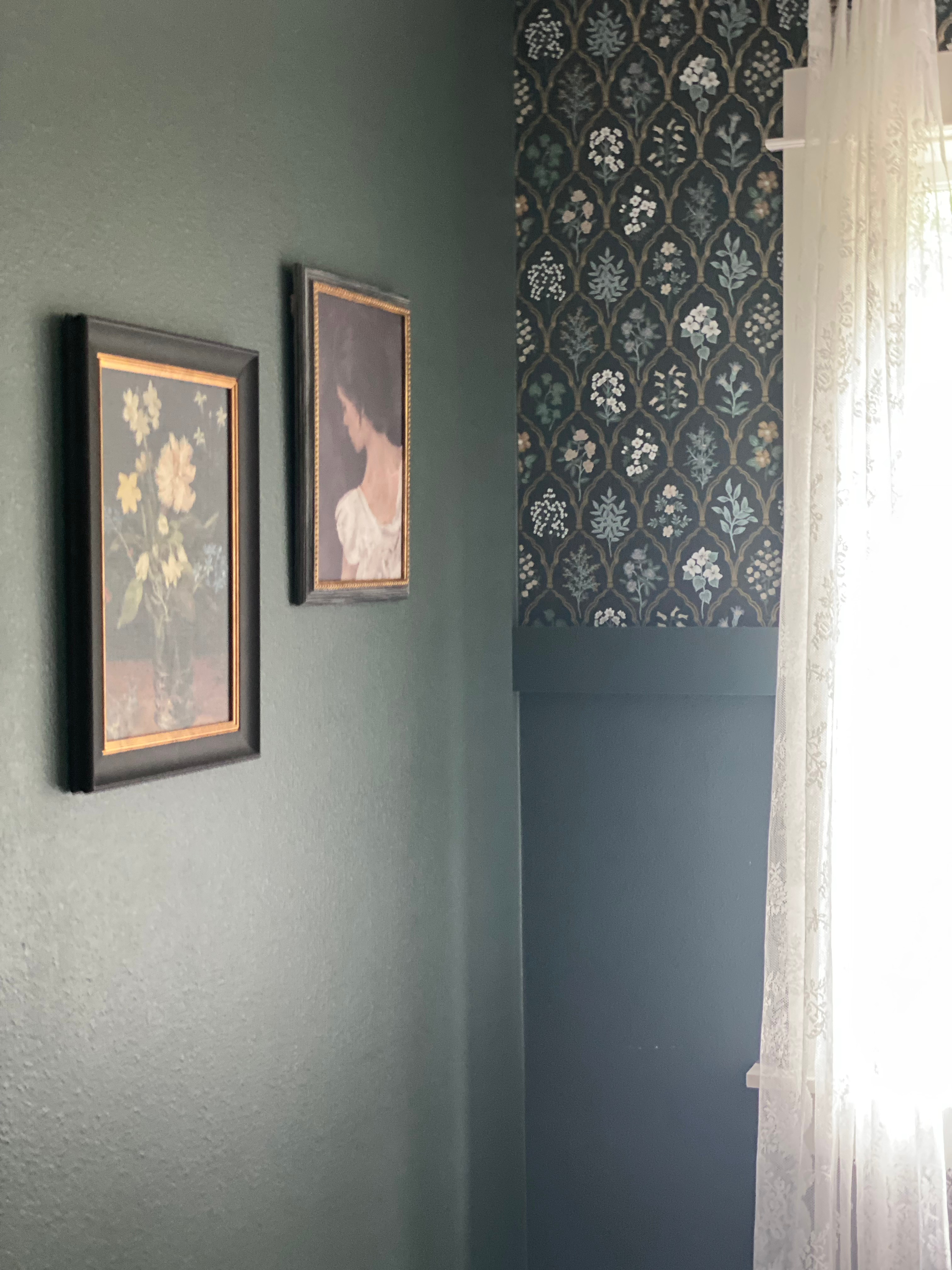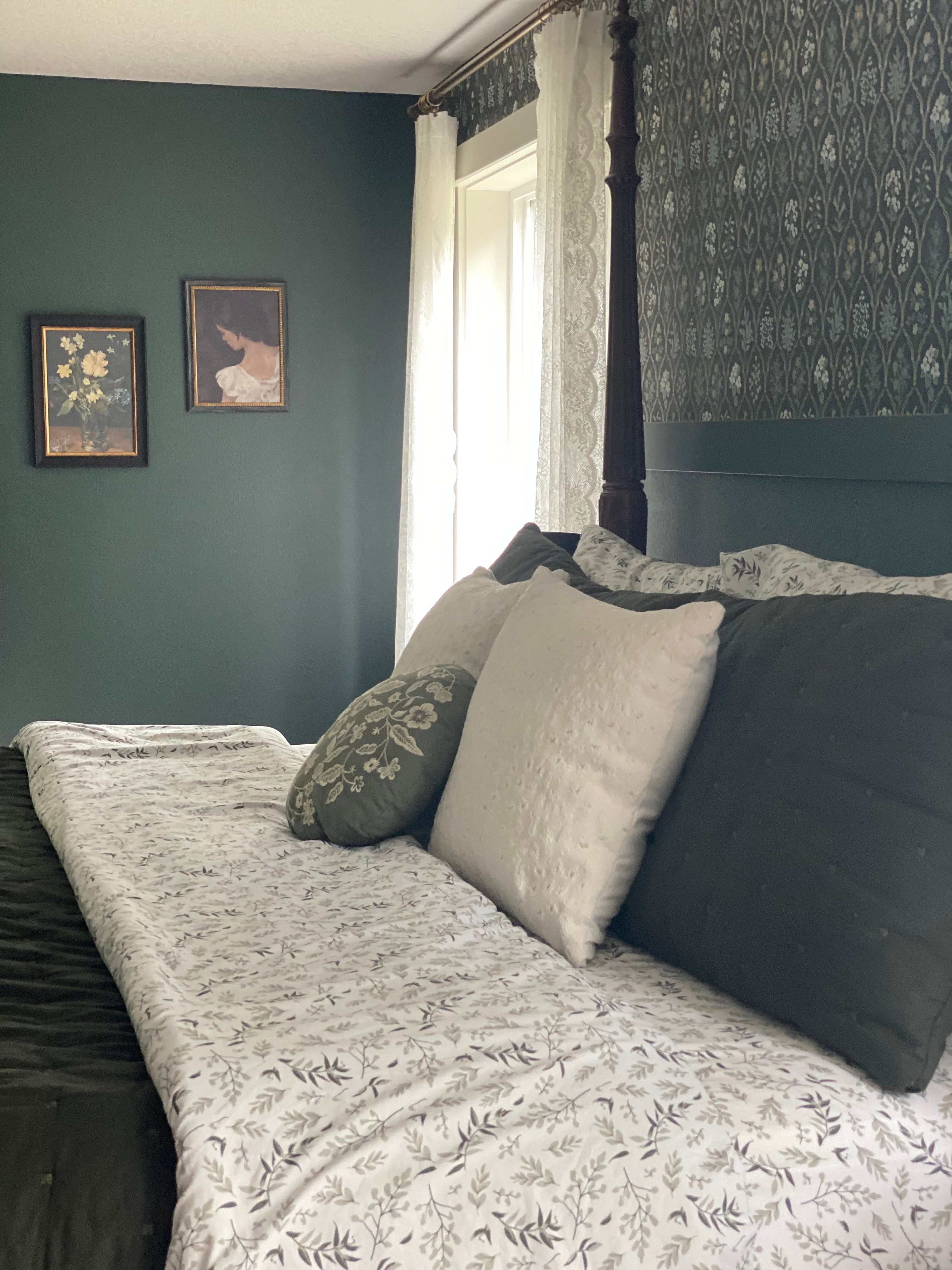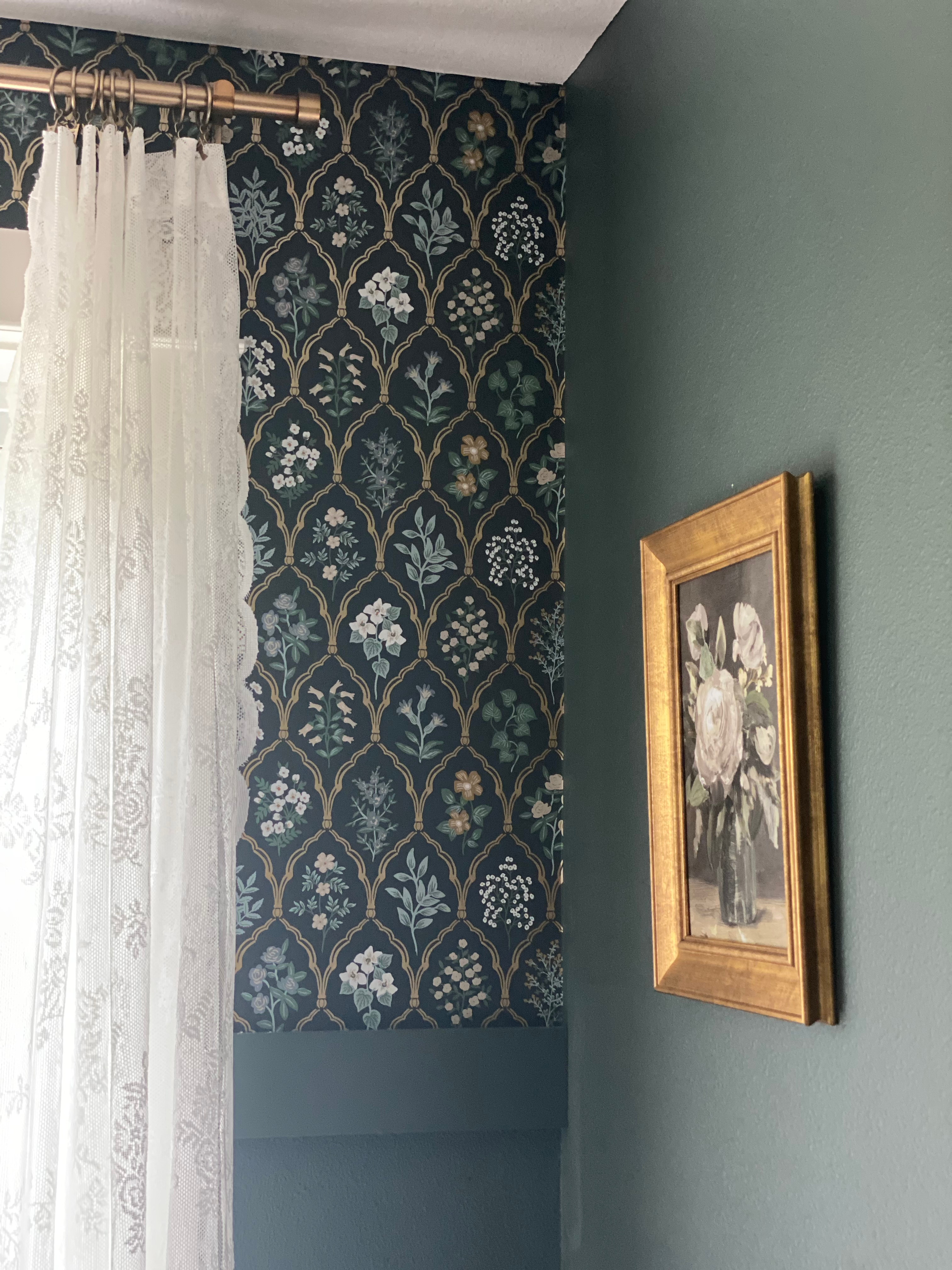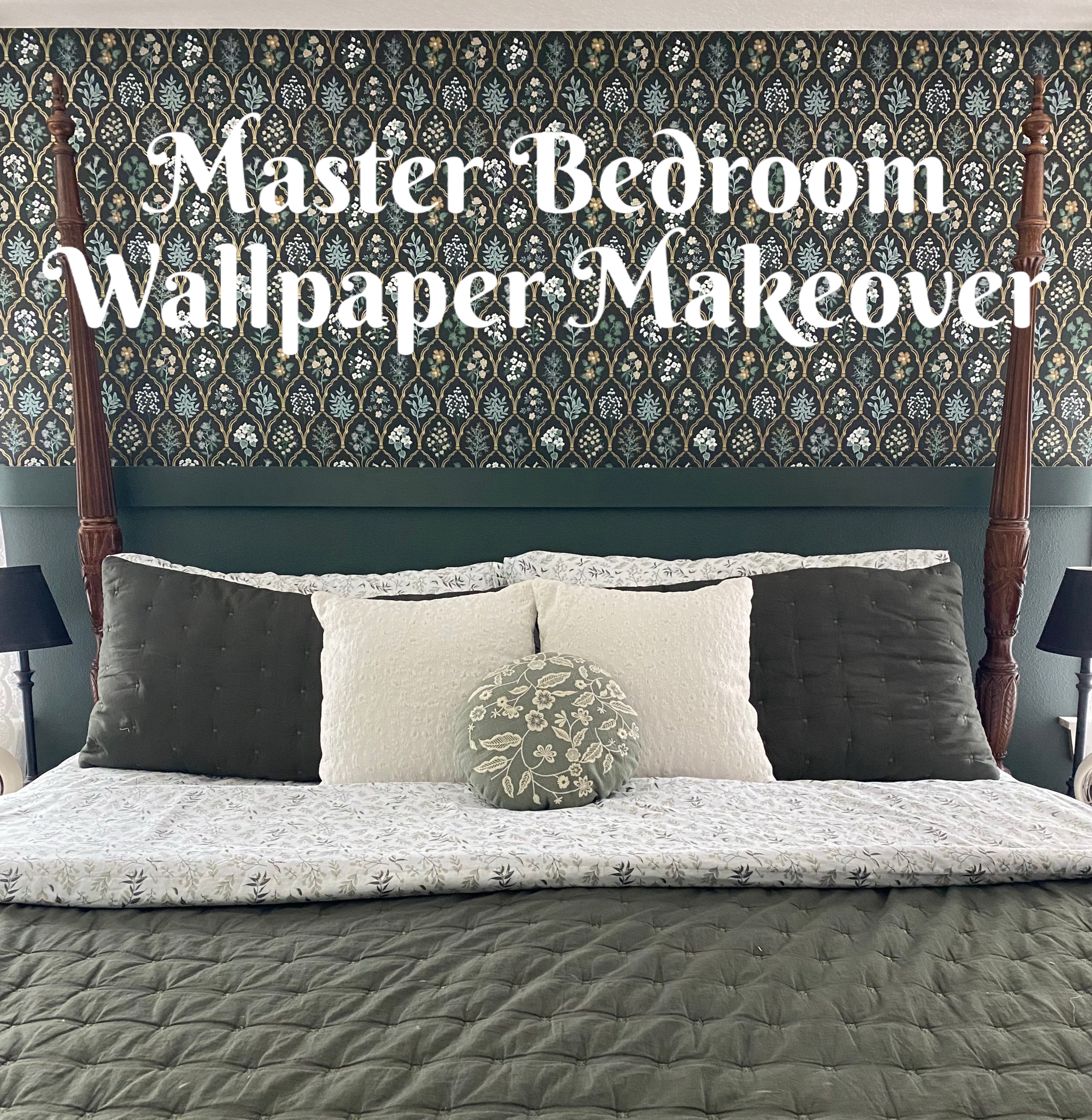
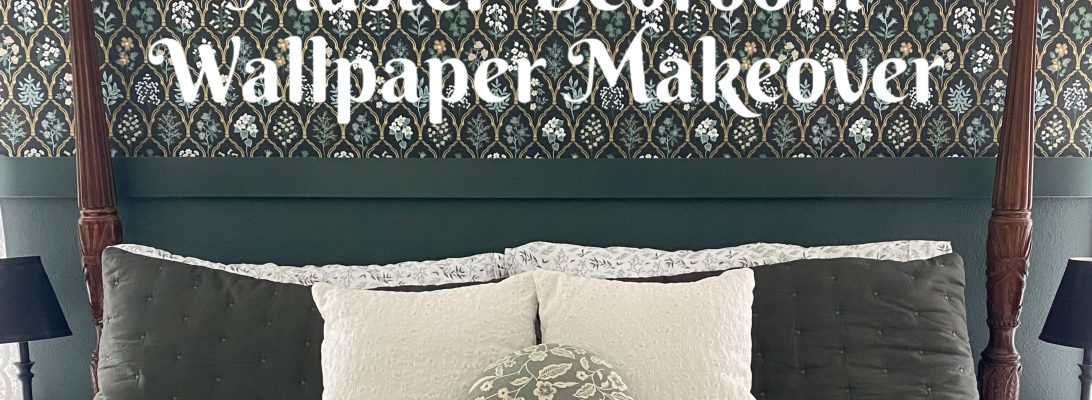
MASTER Bedroom wallpaper makeover

Believe it or not, not every DIY goes to plan. In fact, I find most do not. And even when you feel confident in your planning or taste or choices, sometimes they just don’t work out. This is such a tale.

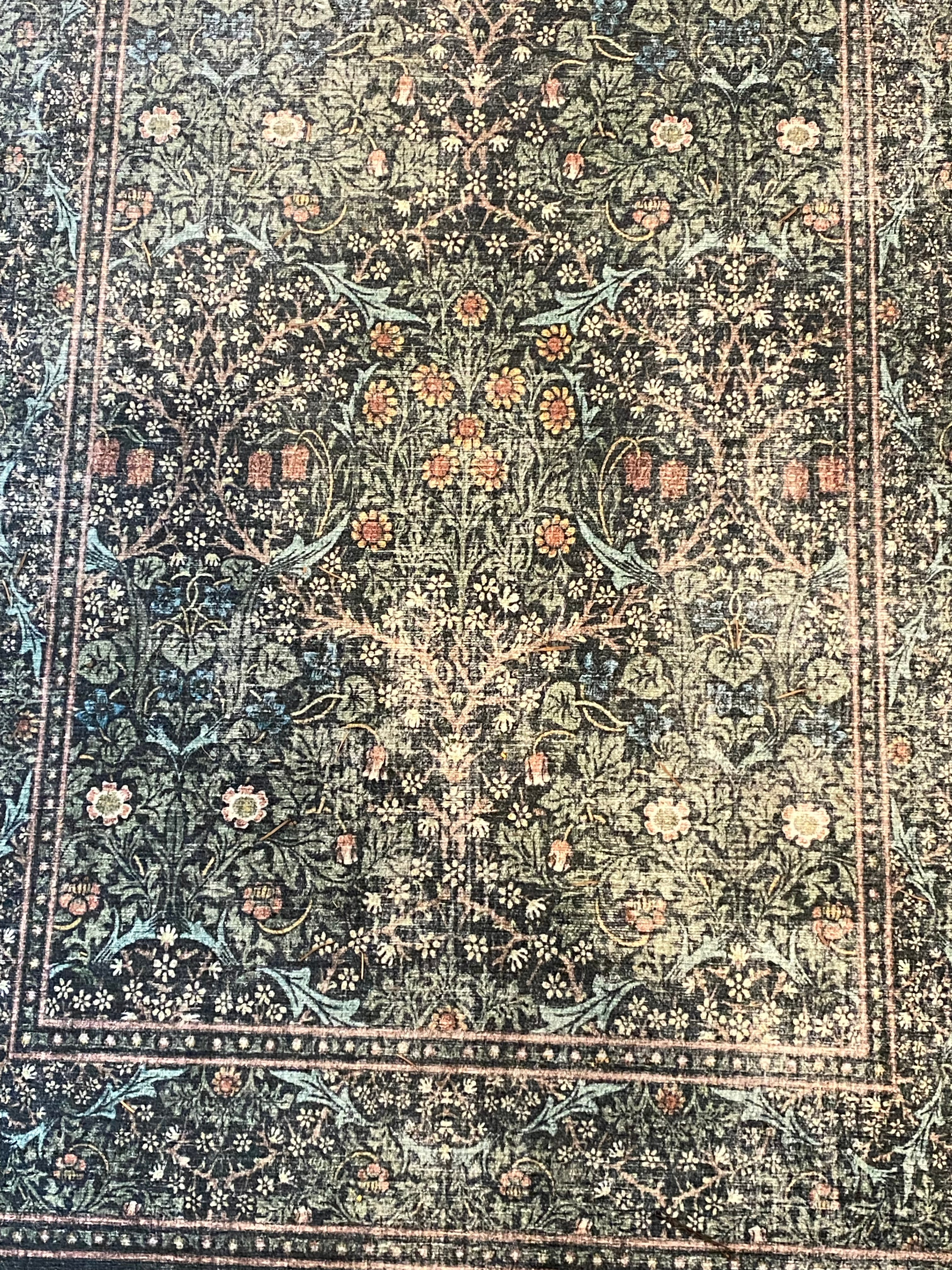
I bought this great Ruggable rug for my kitchen with a fantastic William Morris pattern, Blackthorn in Forest Green. I loved the pattern and immediately started thinking about what else we could do with it.

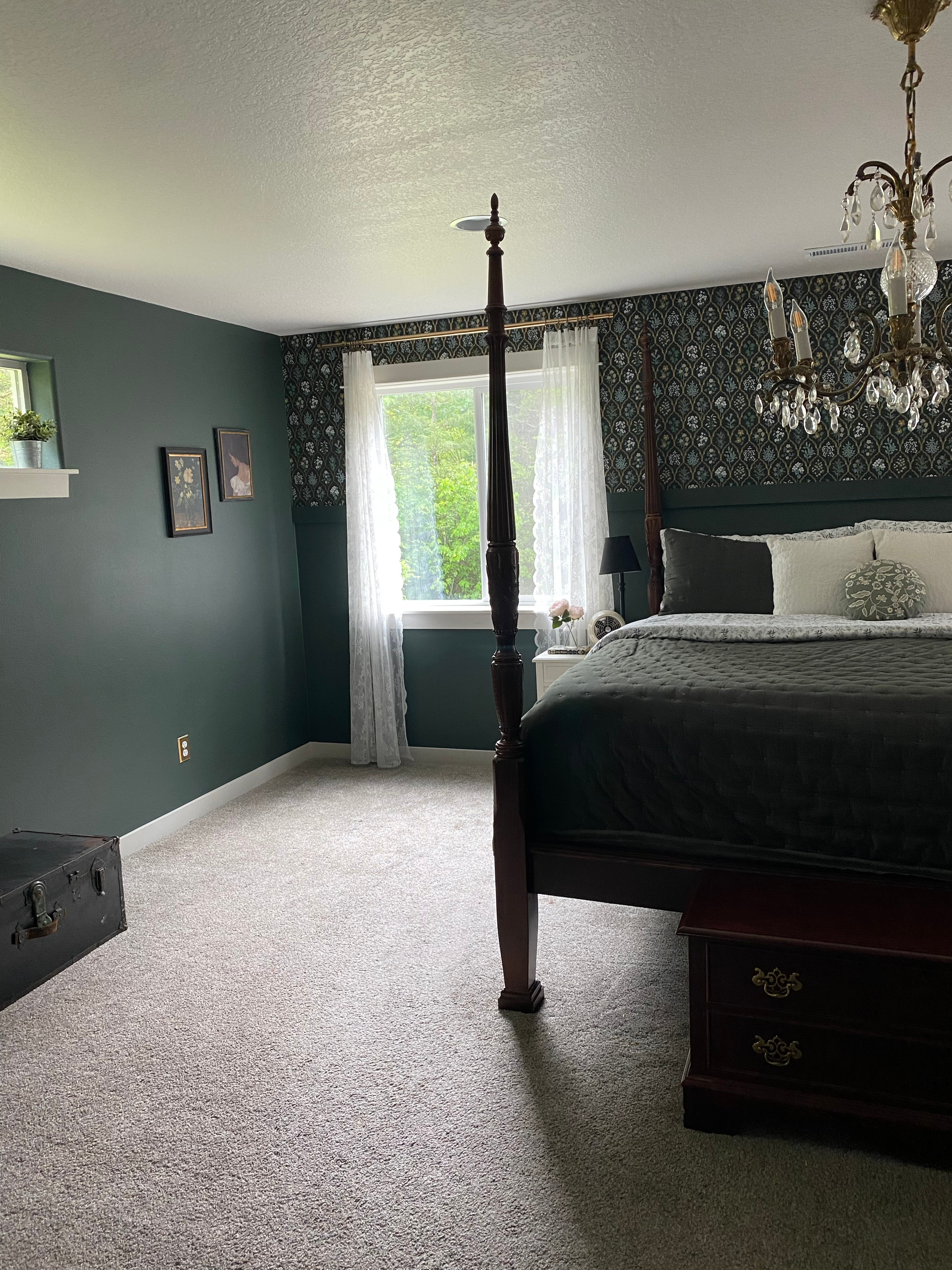
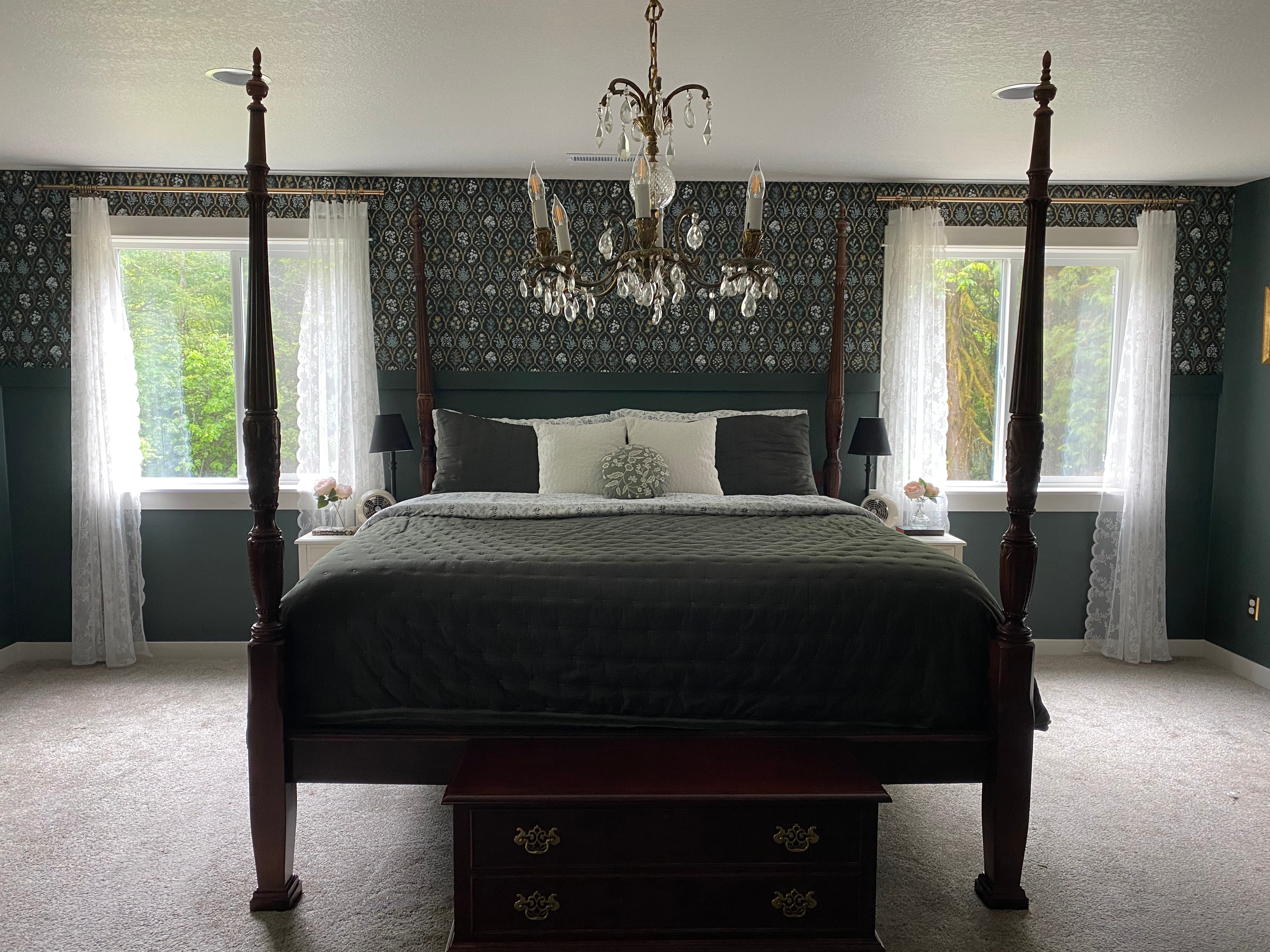
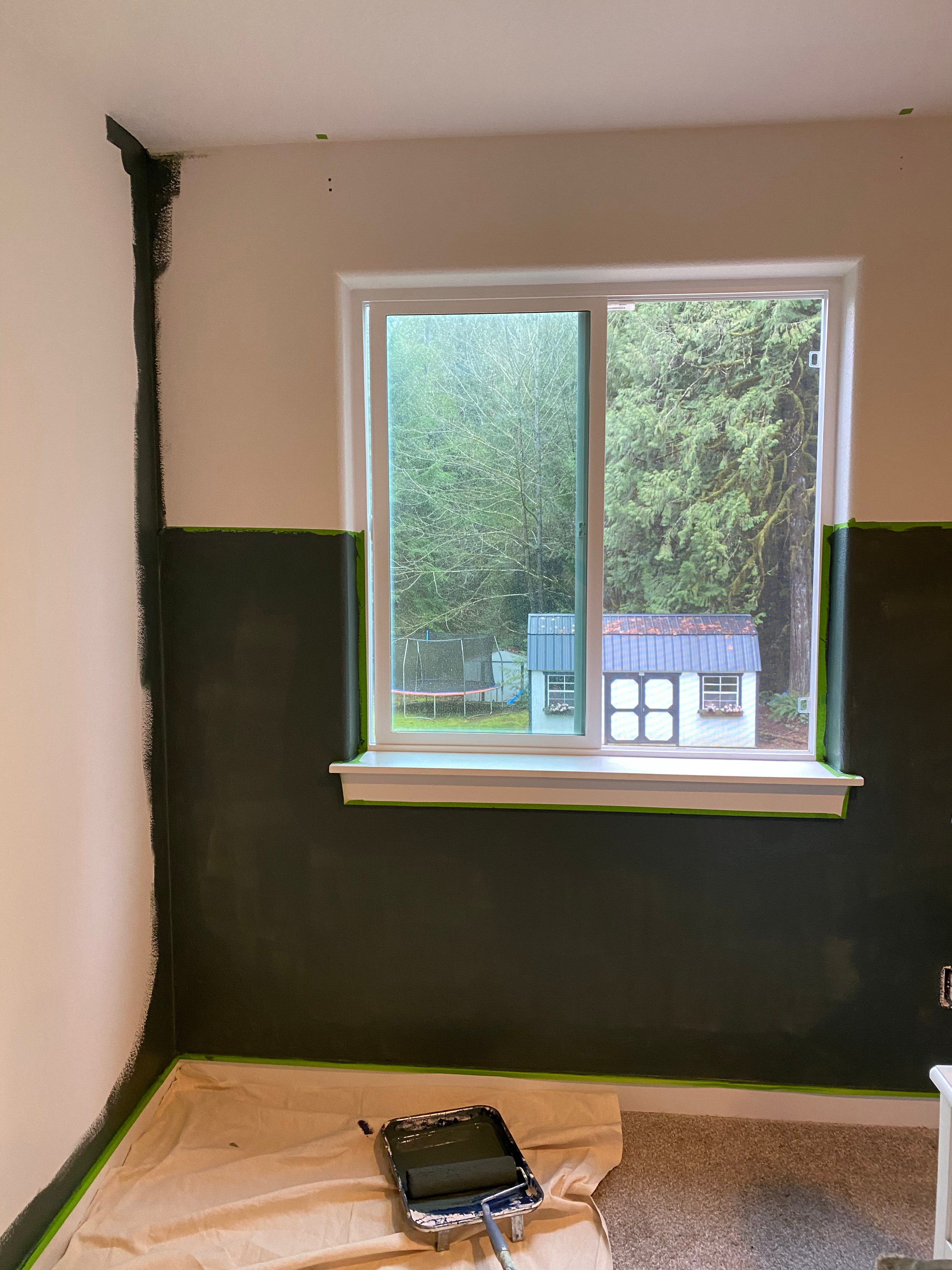
Meanwhilst, I was working on painting and planning decor for our master bedroom. In our last house, Ryan graciously allowed me to paint the walls a lovely cameo pink. And while I still love that color, I thought it might be his turn to have a favorite color, green, grace the walls. We chose a Magnolia color, 1905 Green. Their website describes it as “a slightly jeweled forest green.” I would say that is totally accurate. We both absolutely love the deep moody color. Our room gets a lot of natural light so the dark color works well. Home decor bloggers would tell you to pick your inspiration words for a space, mine were moody, romantic, and elegant. I tell you, waking up to this room drenched in sunlight, is just lovely.

Ok, so back to the rug pattern, I found the William Morris Blackthorn pattern available at Spoonflower and immediately started obsessing over just the right pattern and color to choose. (If you don’t know, Spoonflower has nearly an infinite number of patterns in just as many variations and options.) It’s dizzying to try to find just the right thing.

FULL STOP: This is where I should have ordered samples. But didn’t. Mistake. Always, always, always order samples of wallpaper. Did you hear me? Always order samples, no exceptions, no buts, no what ifs, always order samples. Please, learn from me.

I showed Ryan (who trusts me on these things) the wallpaper, and feeling slightly impulsive, ordered the wallpaper. It was impulsive and a mistake. I knew better, but just didn’t want to wait. It arrived and I didn’t love it. But I tried to convince myself I did love it. I tried so hard, I told myself if we put it on the wall I would love it more. Yes, just put it on the wall, that’s the solution.
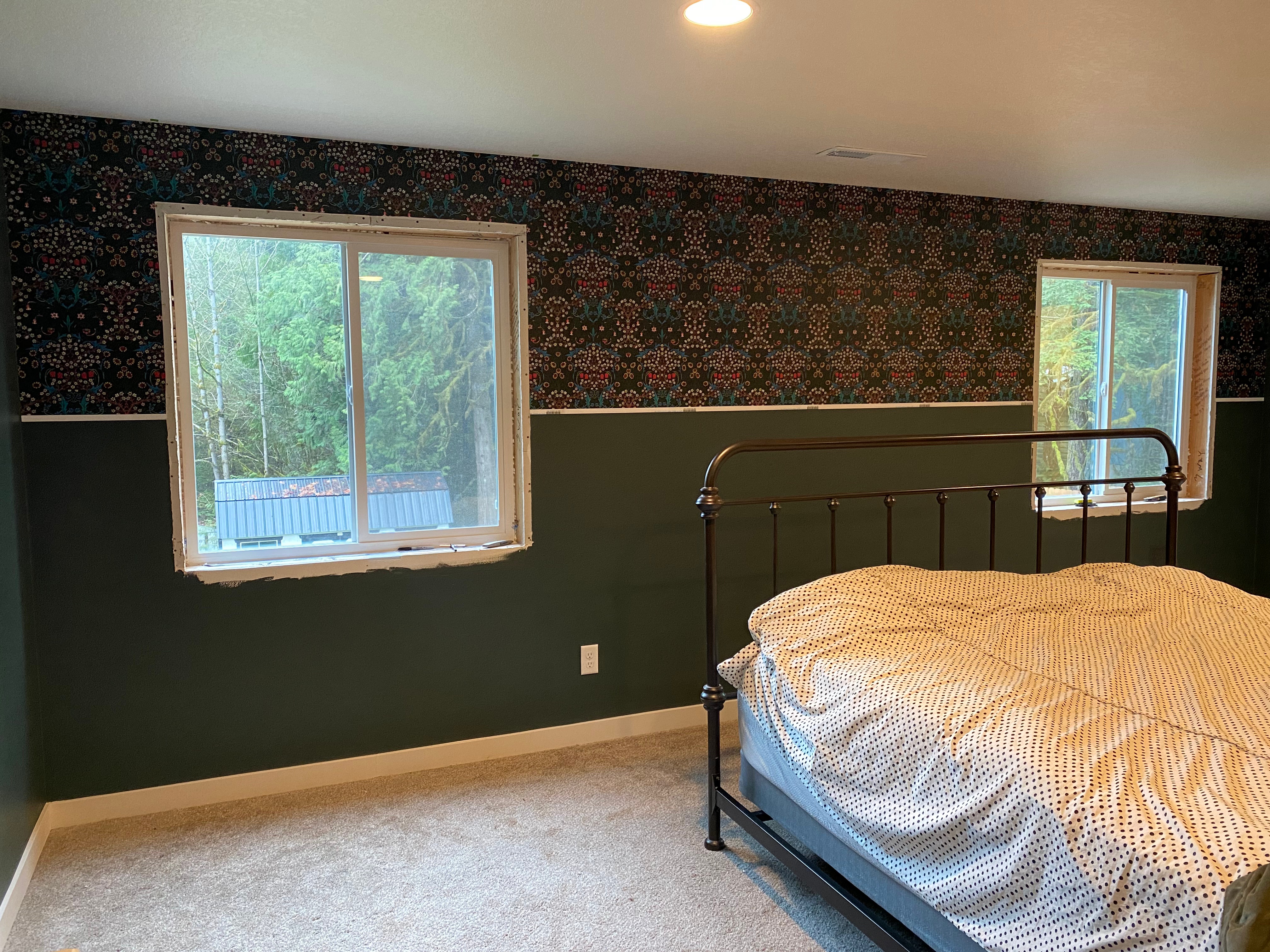
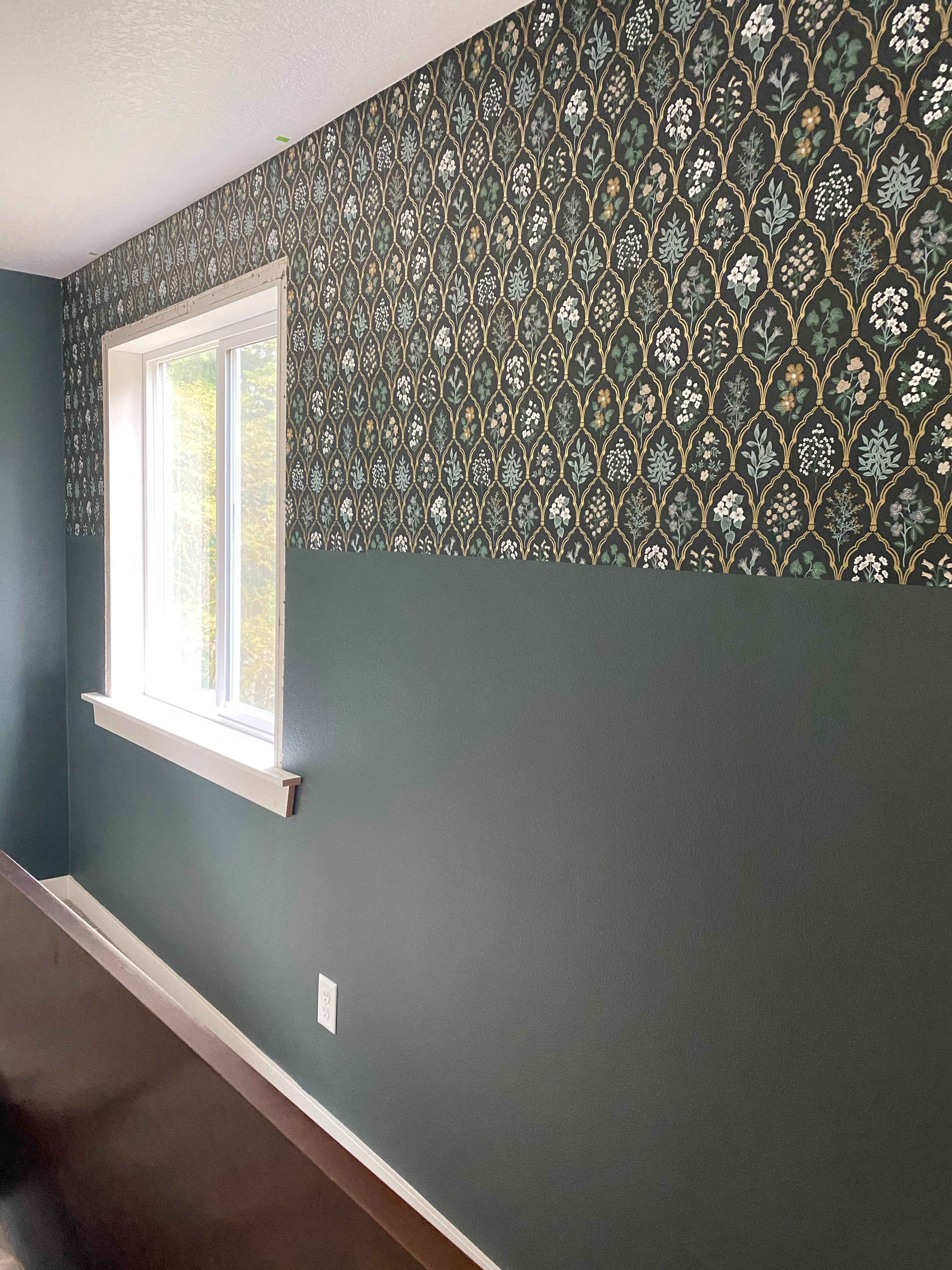
So, we put it up on the wall, the whole wall. I did not love it, the colors weren’t right, and the pattern felt too “cartoony” compared to the inspiration rug. I also did not love Spoonflower’s Peel-n-Stick. It was easy to put up, but started unsticking almost immediately. Weeks turned into months and I still did not love the wallpaper. And, it started coming up in several more places. I thought shamefully about the hasty, impulsive decision, completely my fault. And then, I remembered the wallpaper I originally wanted from Rifle Paper Co. I had decided it was too expensive, but it was the wallpaper I really loved.

ANOTHER STOP: It is worth it to wait for something you love, and invest a bit more money than to settle for something you don’t love and end up paying even more for it in the end. Which is what I did. Paid twice for wallpaper. Twice.

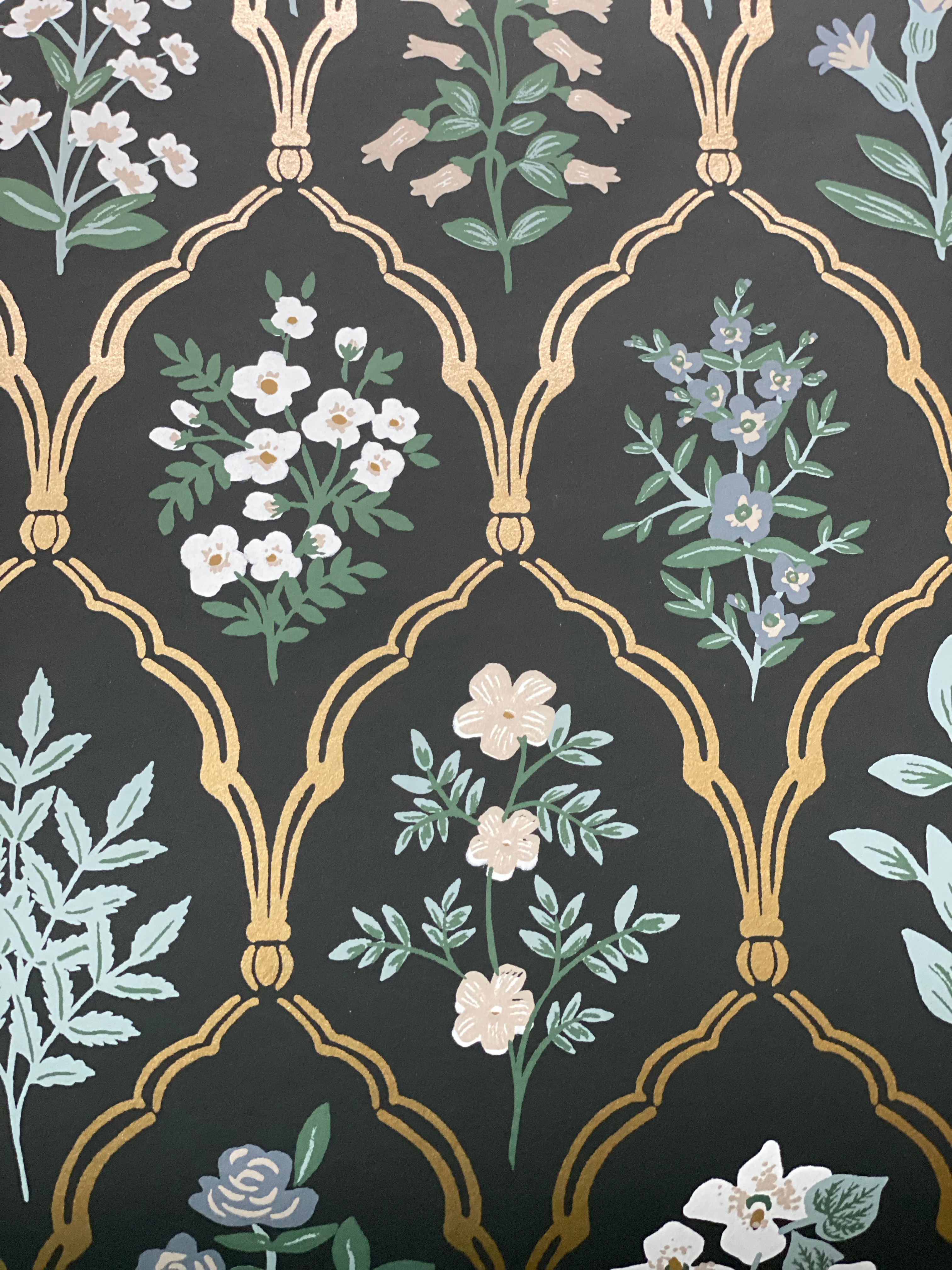
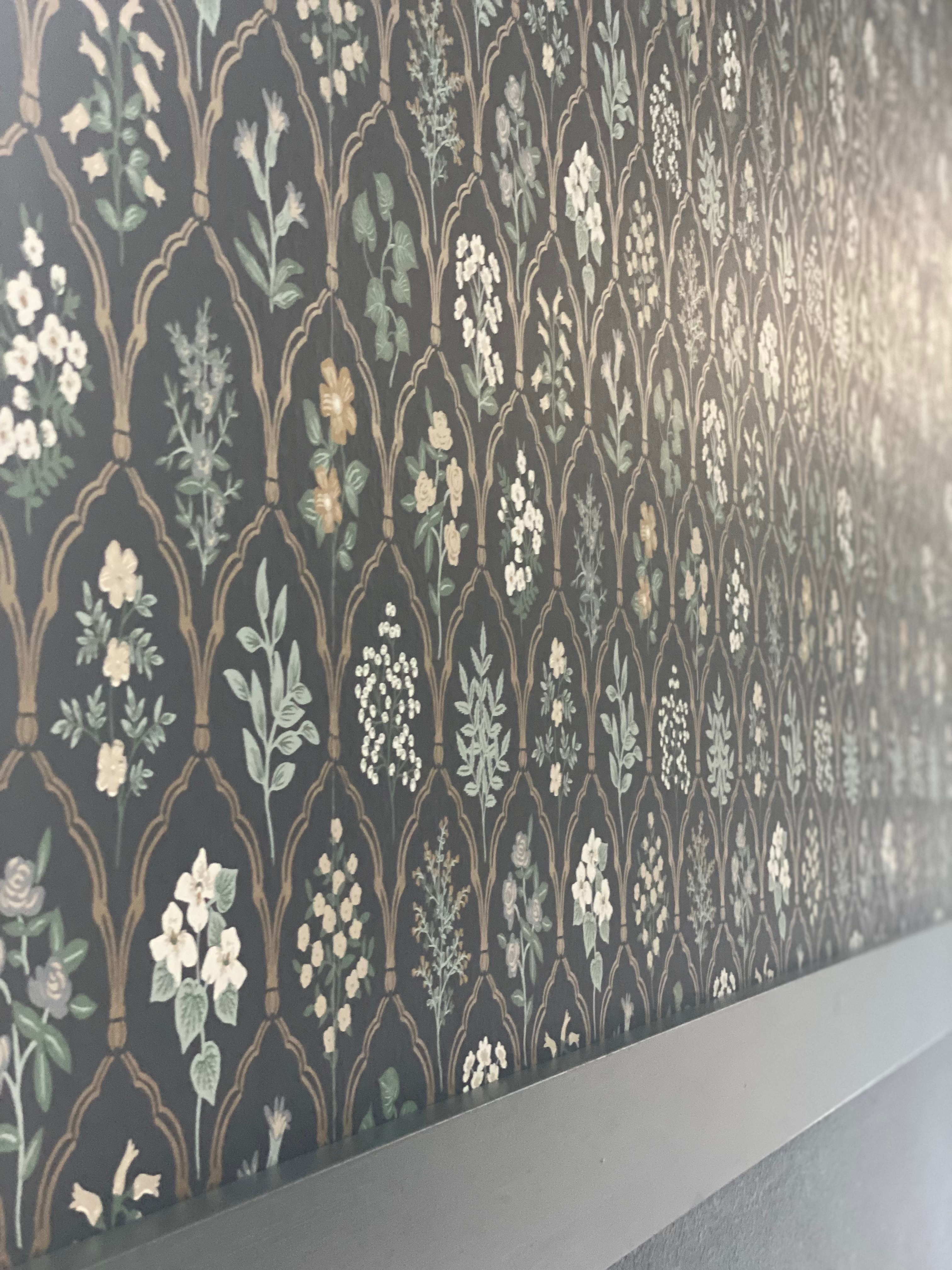
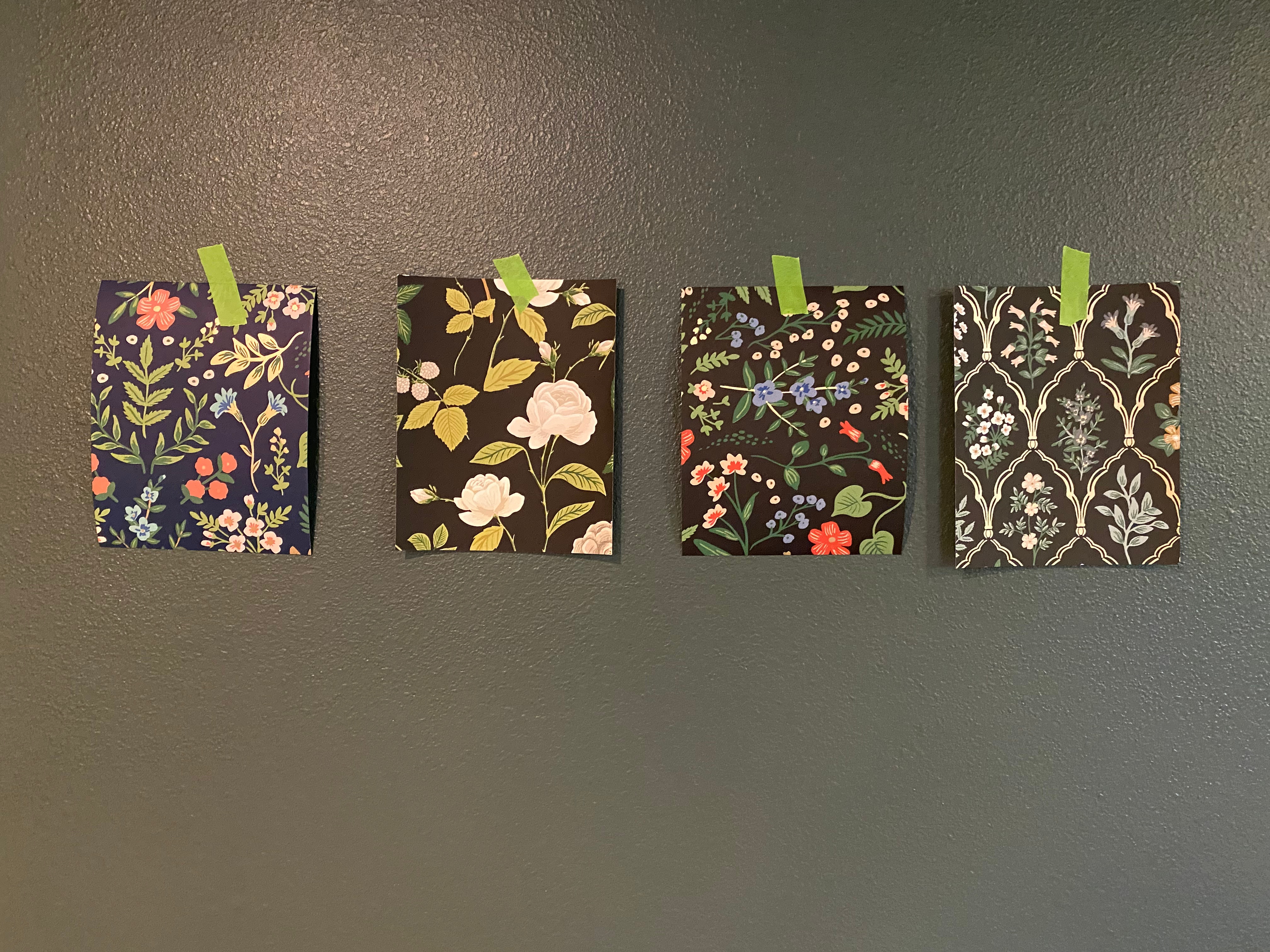
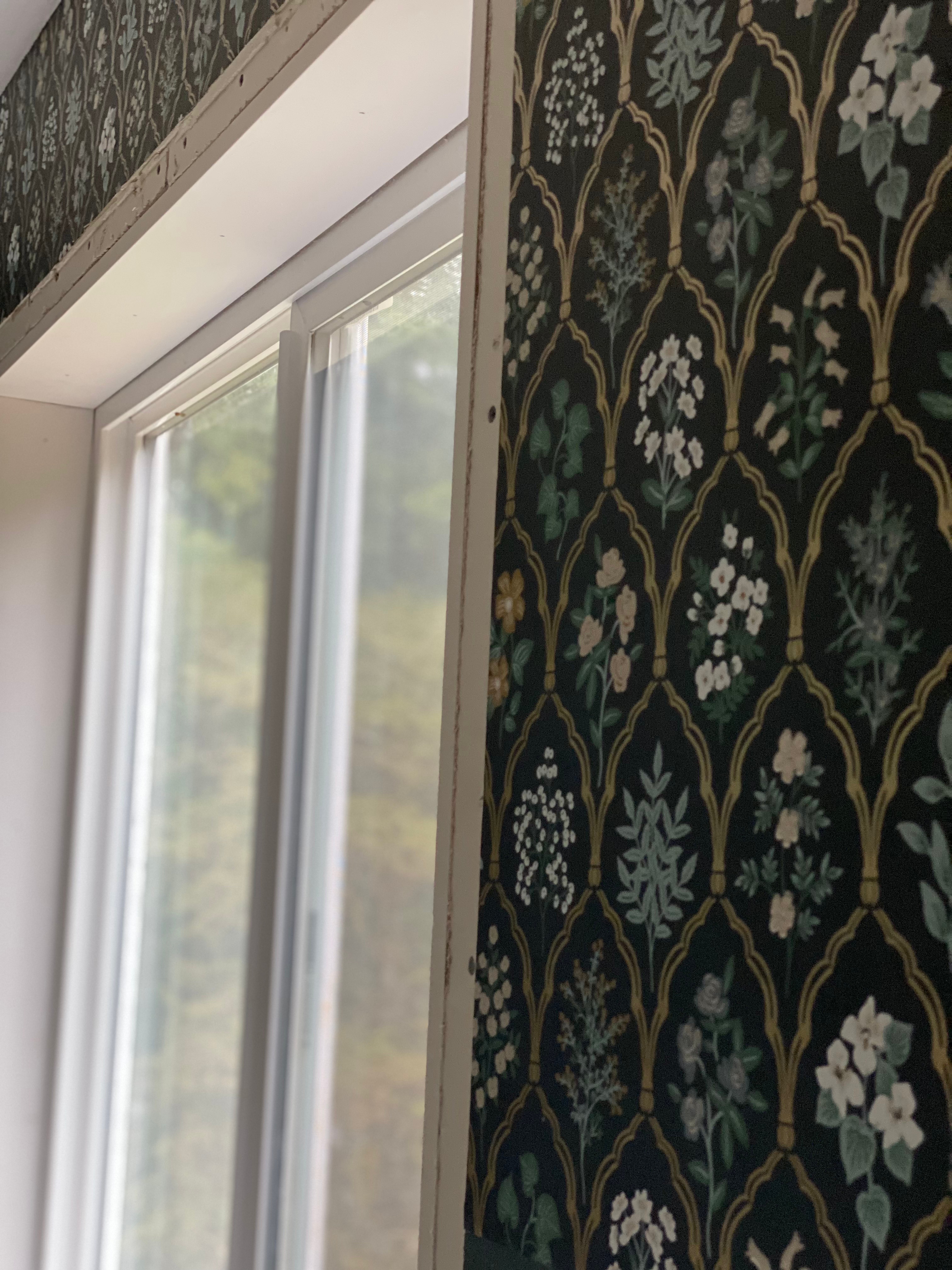
The more I looked at the wallpaper on the wall, the more certain I was that it wasn’t right and had to come down. I waited until Rifle Paper Co. was having a sale and splurged on the beautiful, dreamy, perfect wallpaper. AFTER I sampled several of their wallpapers in the room. The choice was unanimous, the Hawthorne wallpaper is gorgeous! Confusing right, Blackthorn vs. Hawthorne. Ha!!
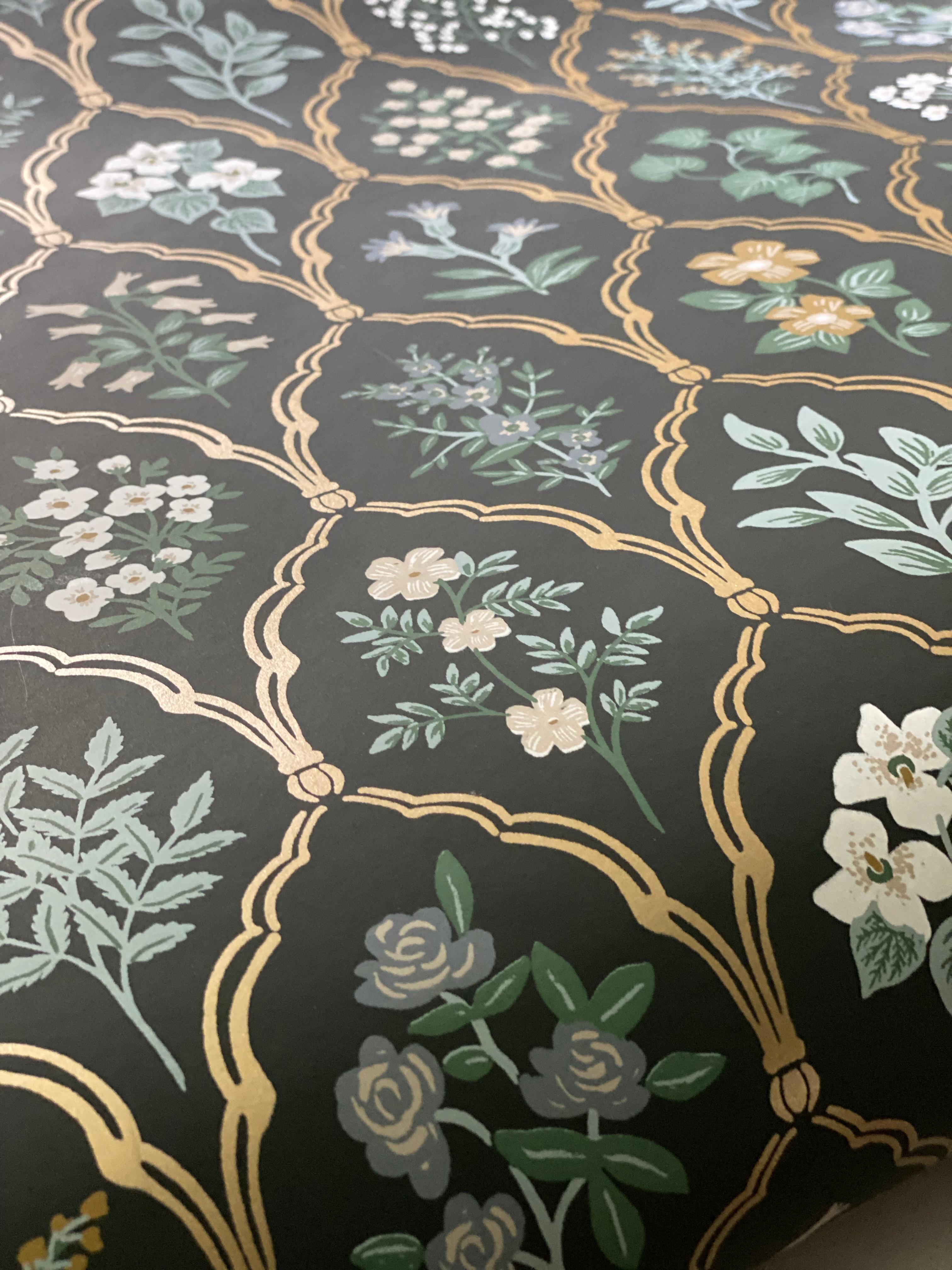
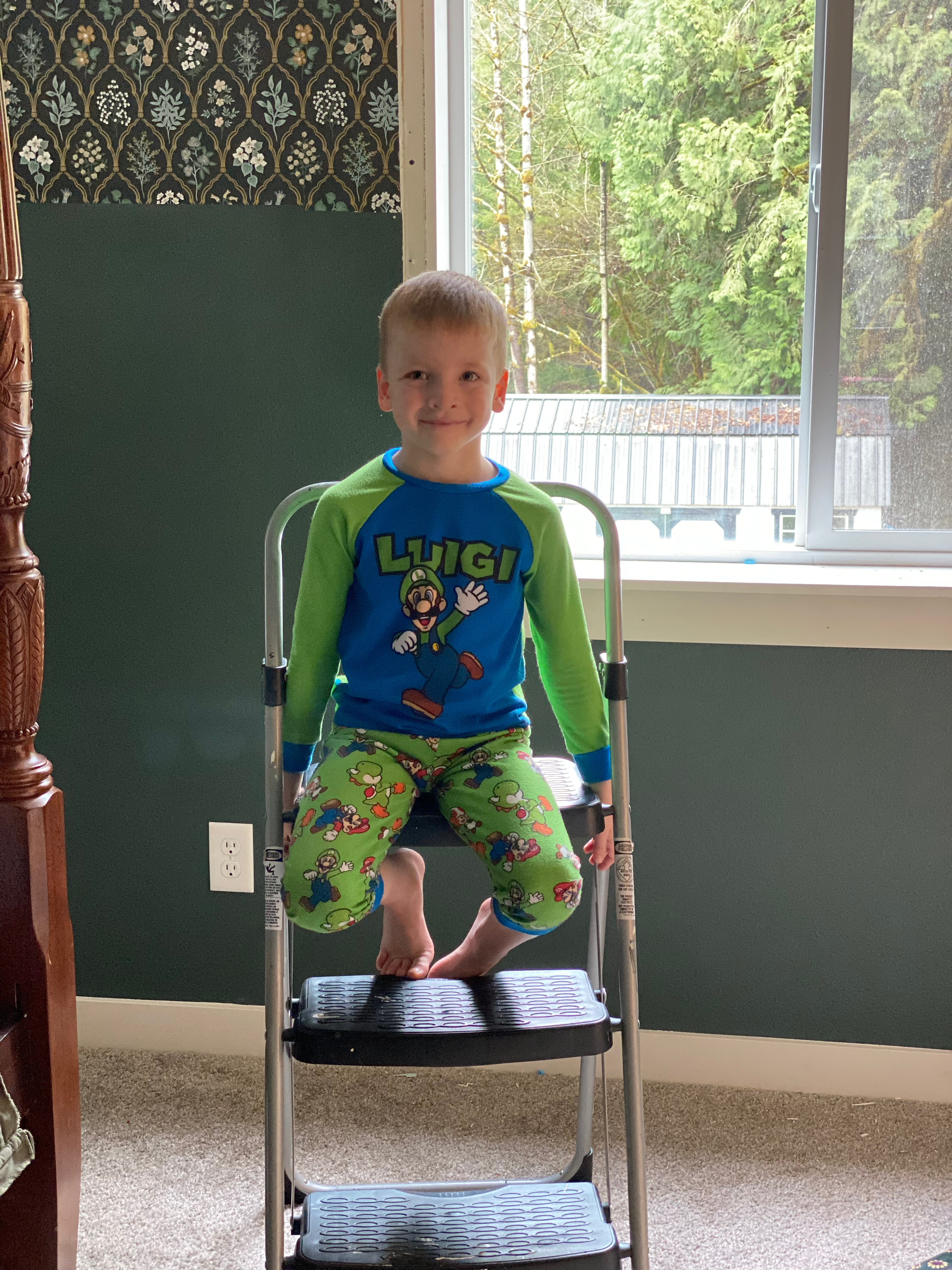
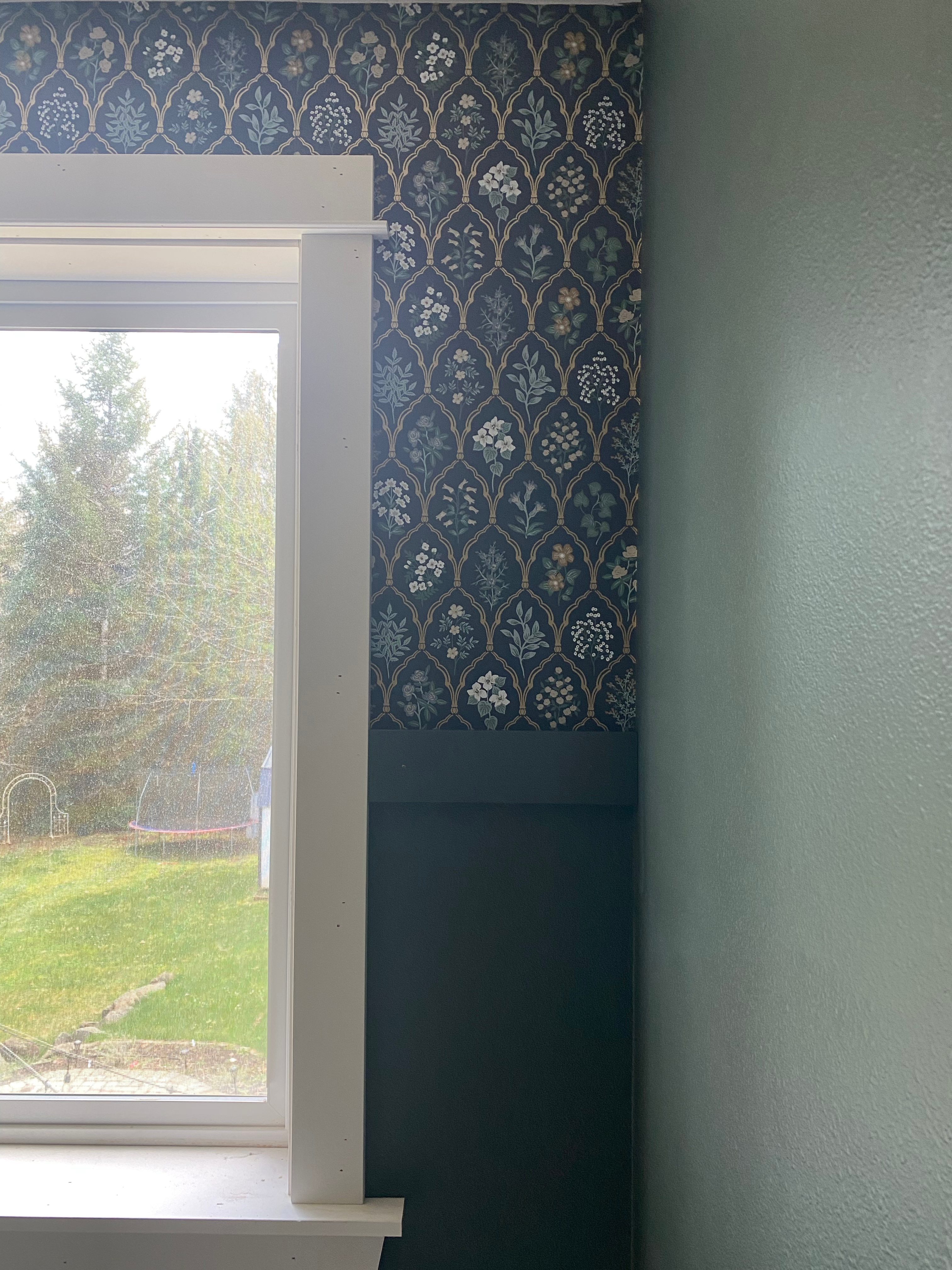
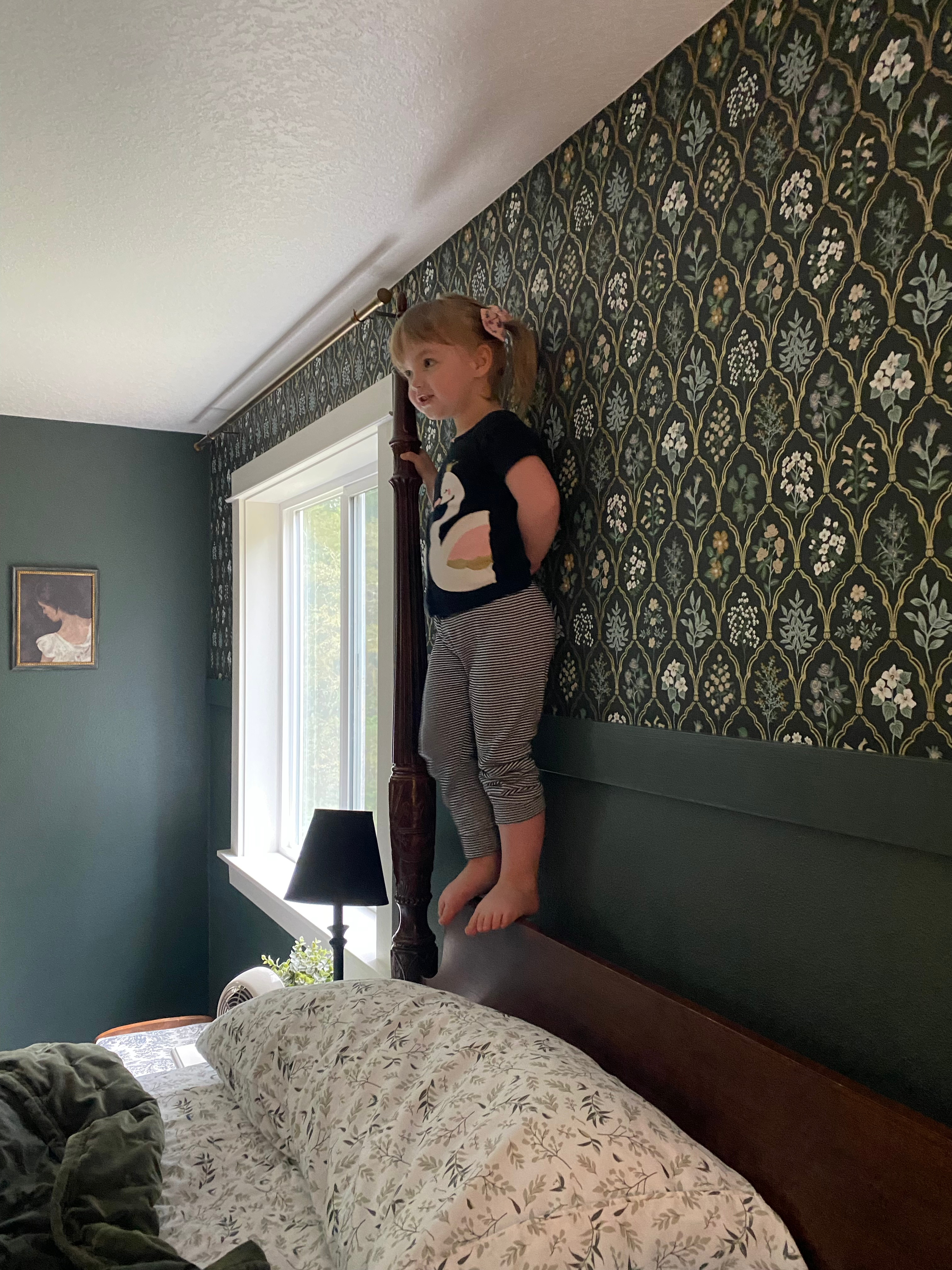
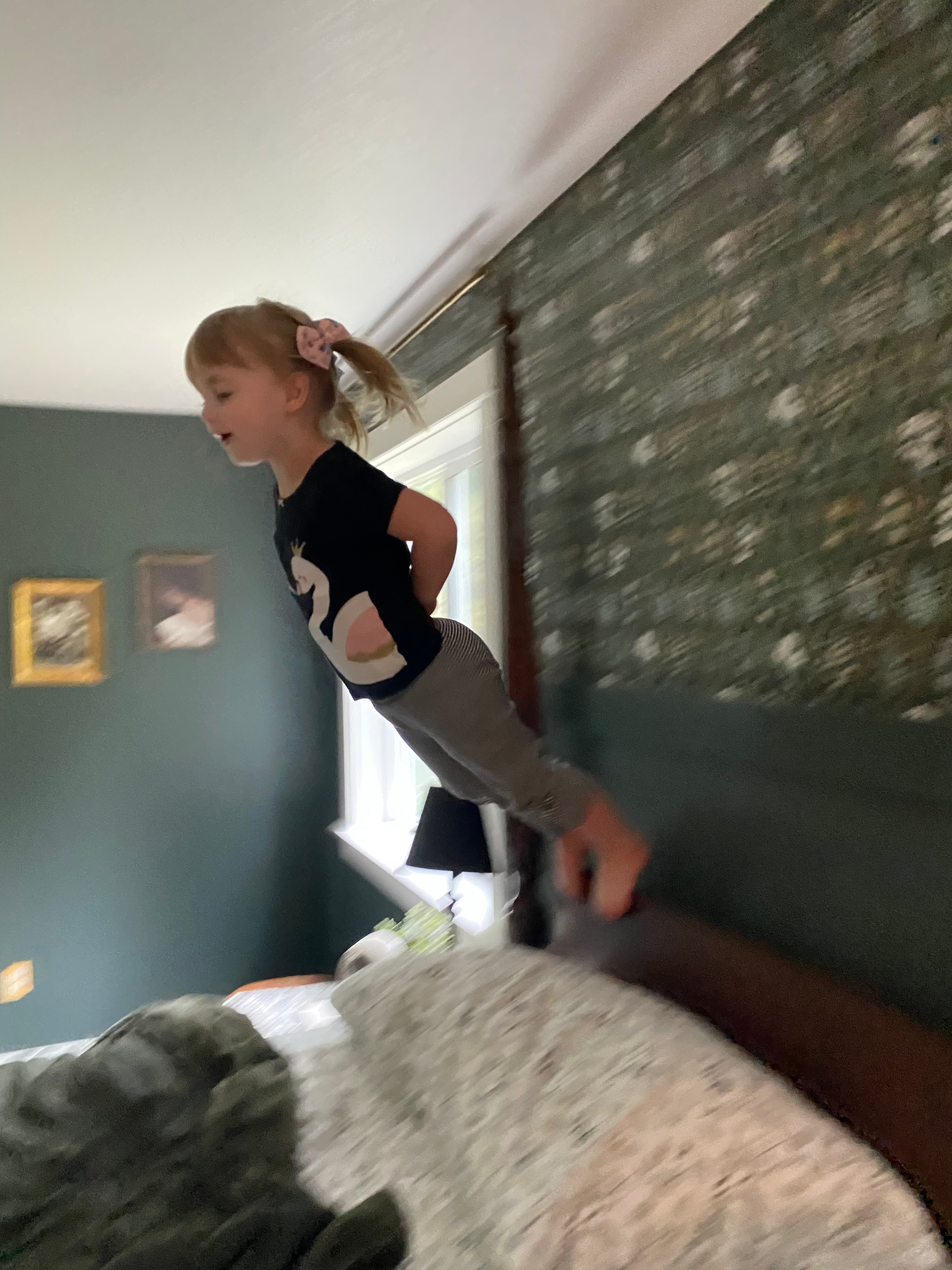
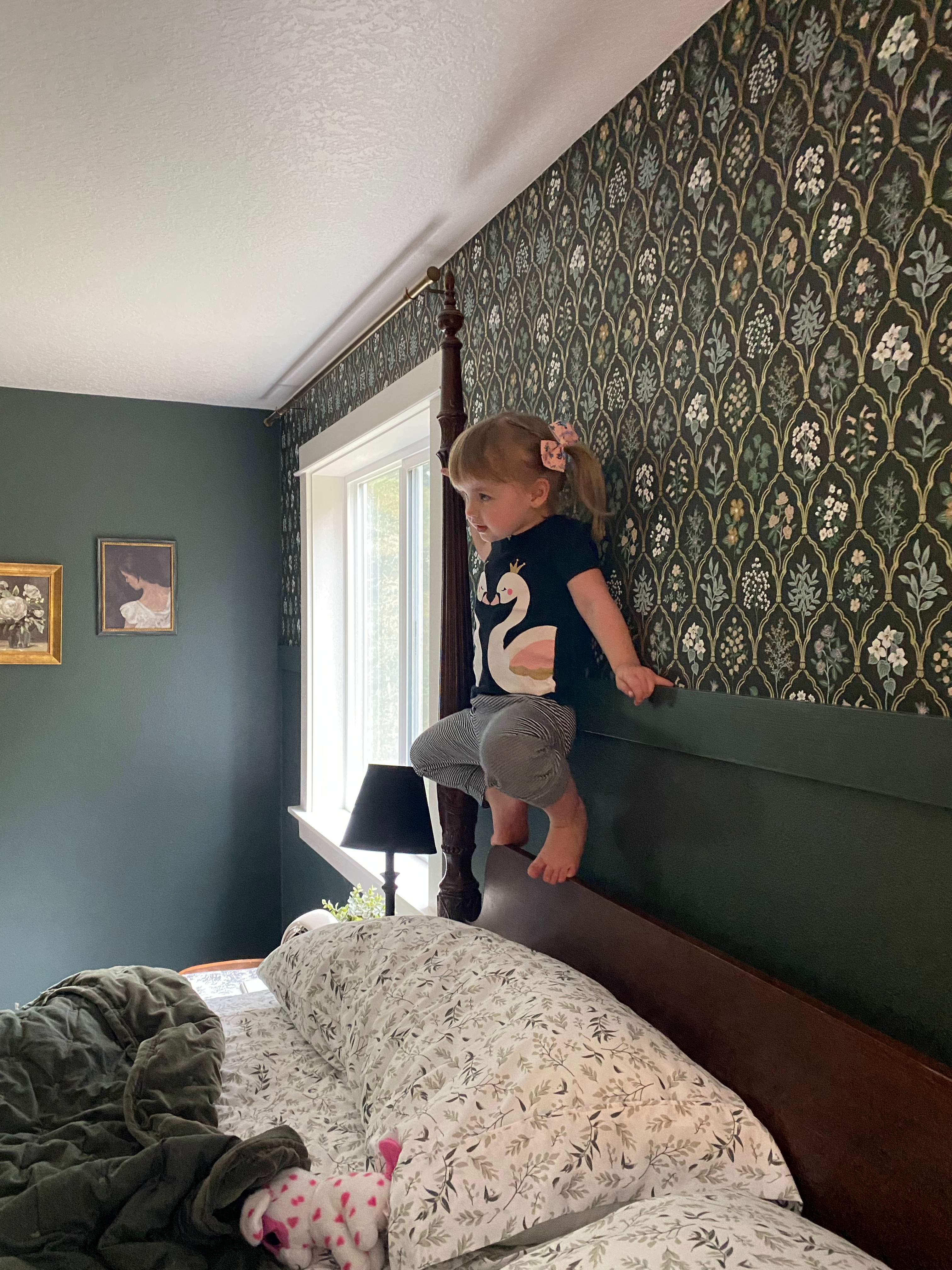
When I hung the right wallpaper, even though I had to add paste to it and it was much more challenging, it felt right. Every strip and every swipe of glue was worth the effort for this beautiful paper. When it’s right you know. And when it isn’t, the same is true. Trust your gut. Listen to it on creative projects (I can’t speak for it on bigger stakes, but on DIYs, yes ;-)). Ryan added trim to the windows, and we added trim along the bottom edge of the wallpaper for a finished look. (We always have little helpers hanging around, especially if there is a ladder involved, like a moth to the flame.)
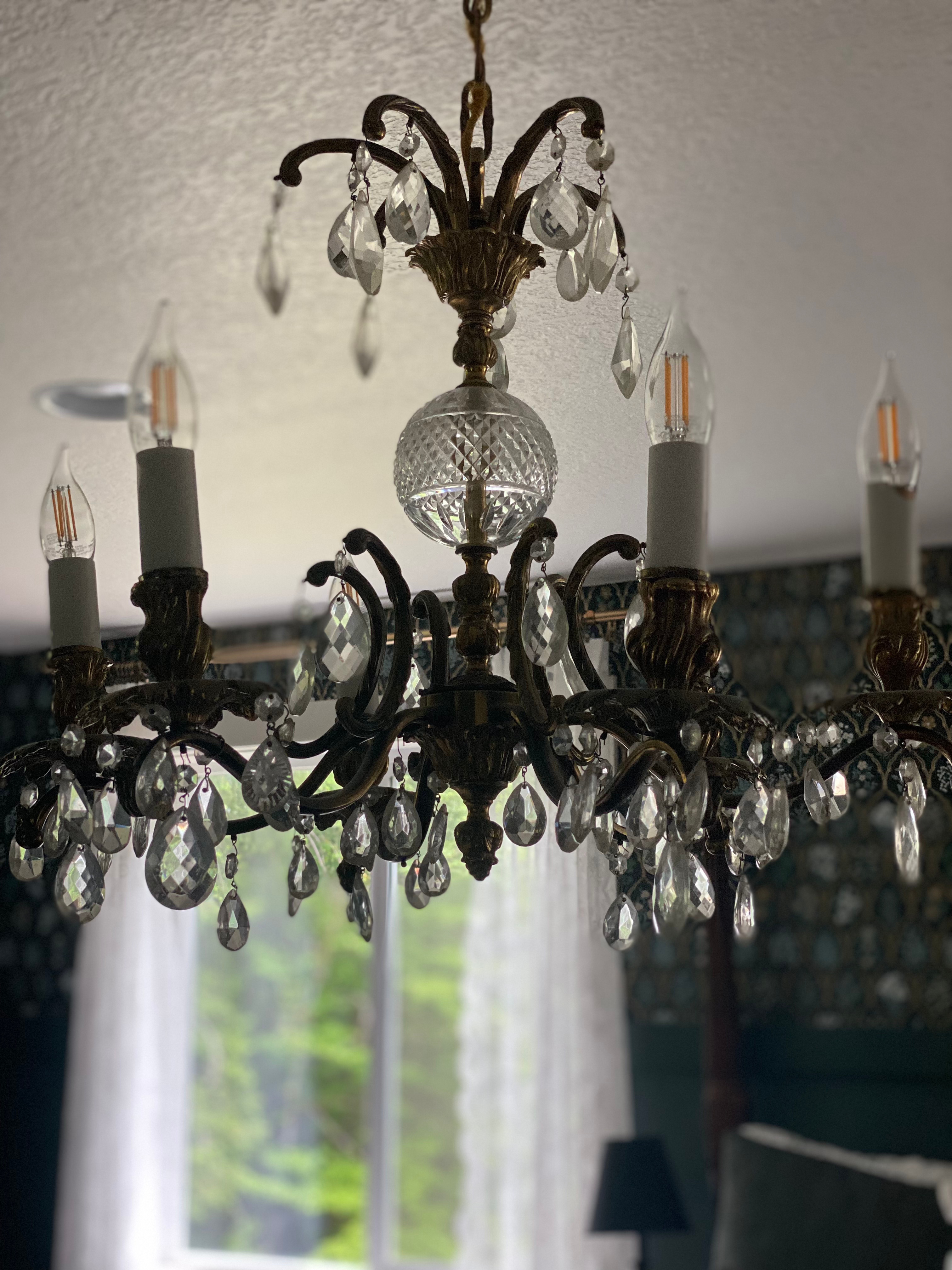
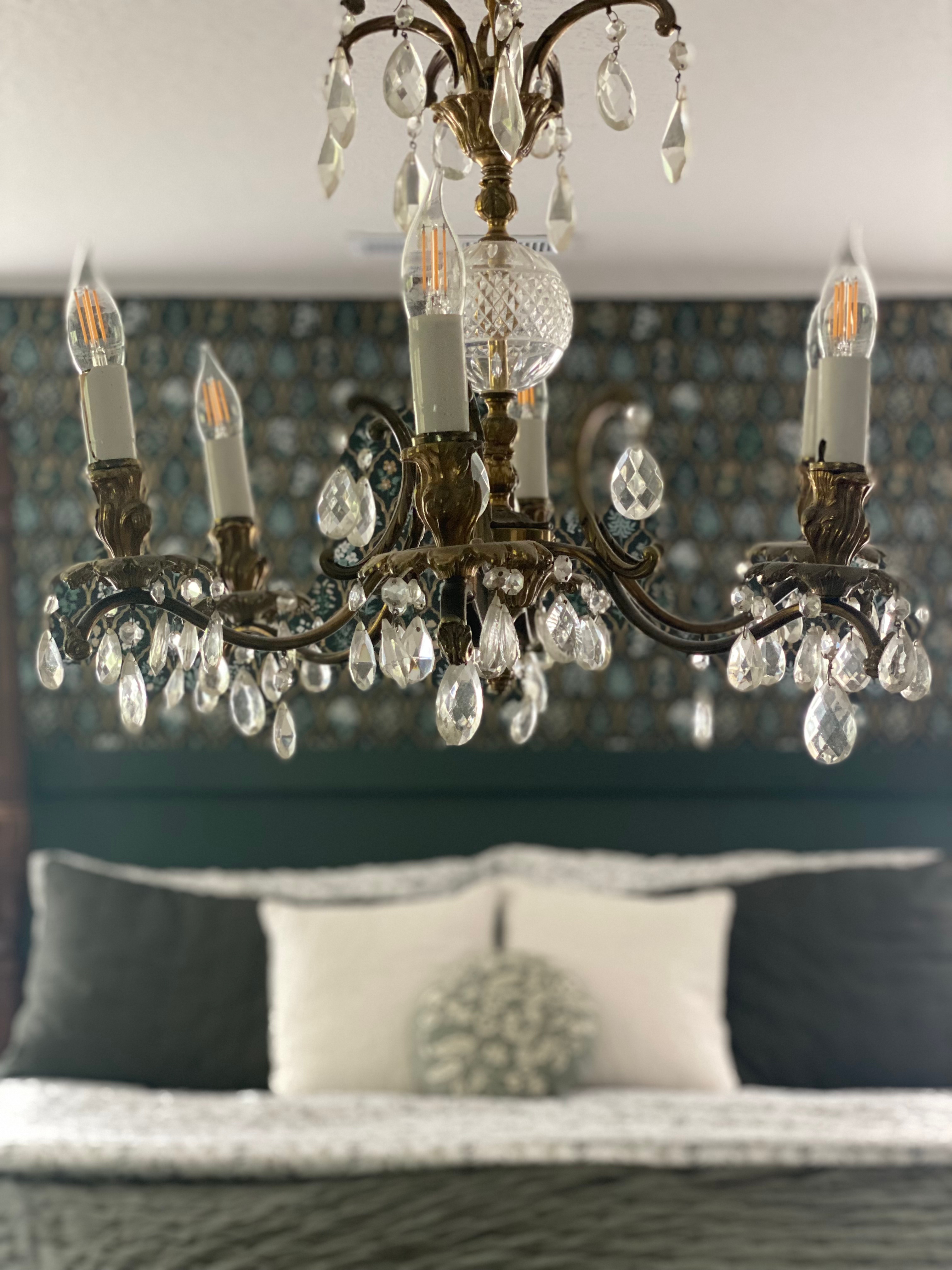
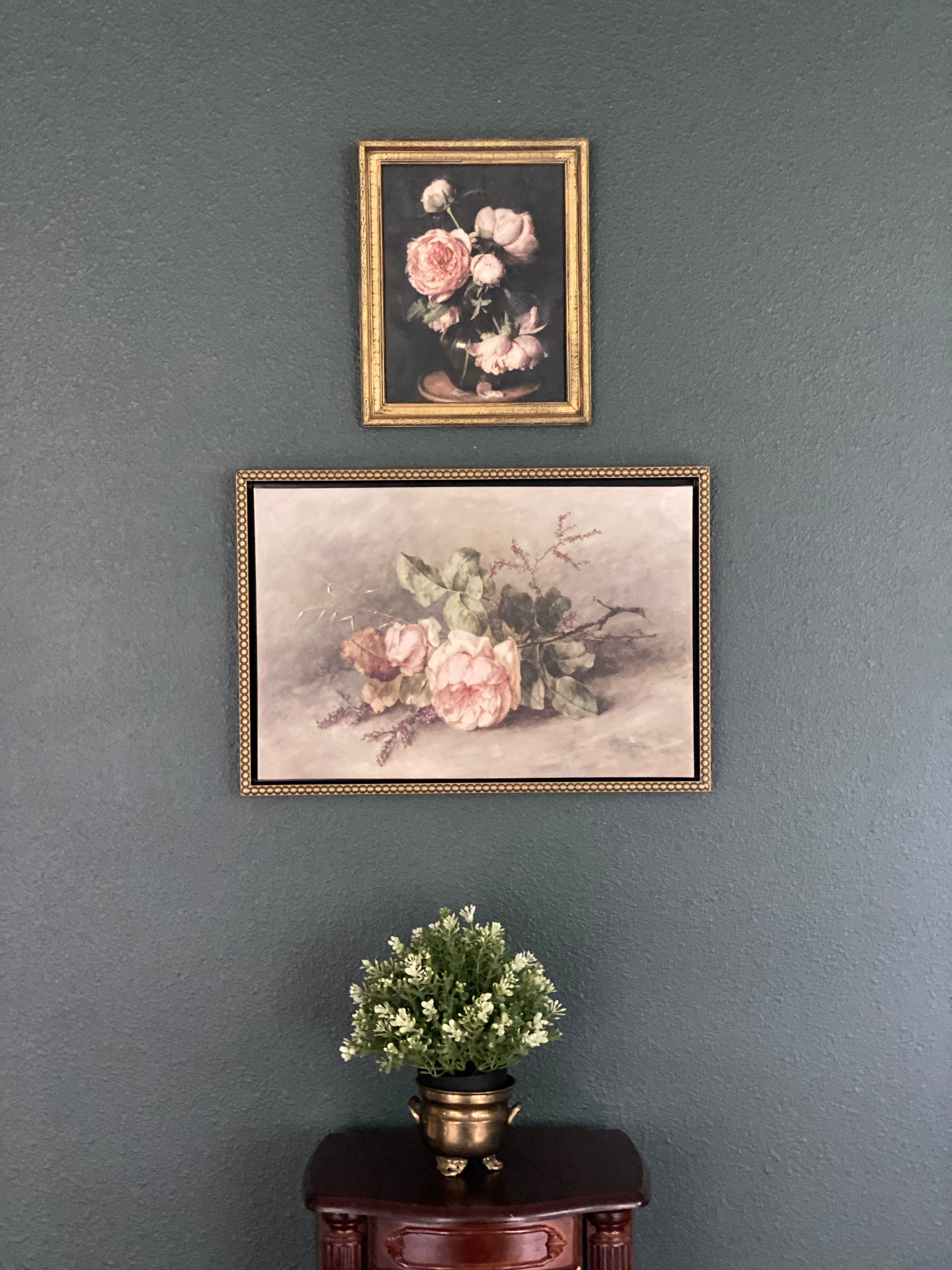
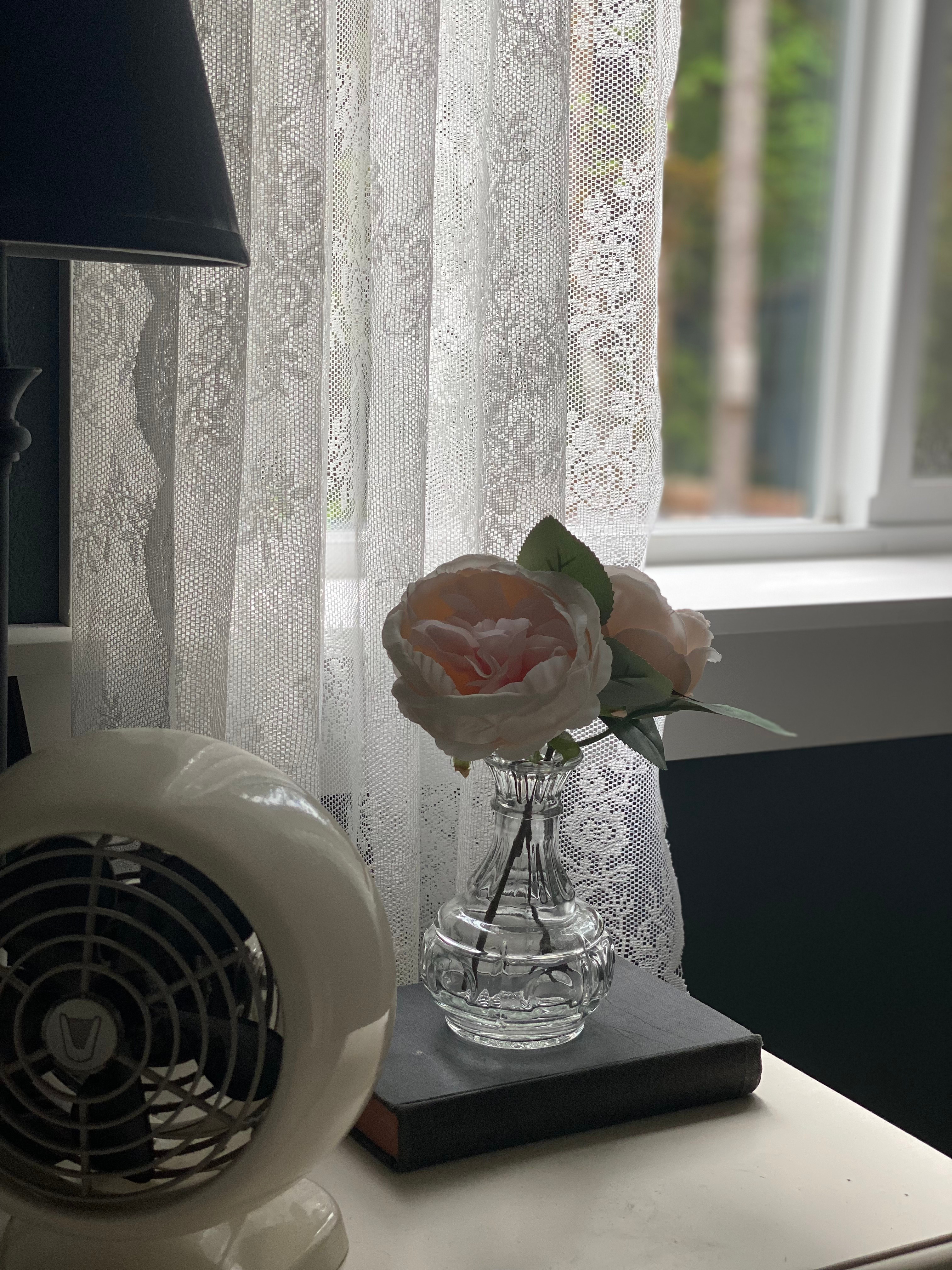
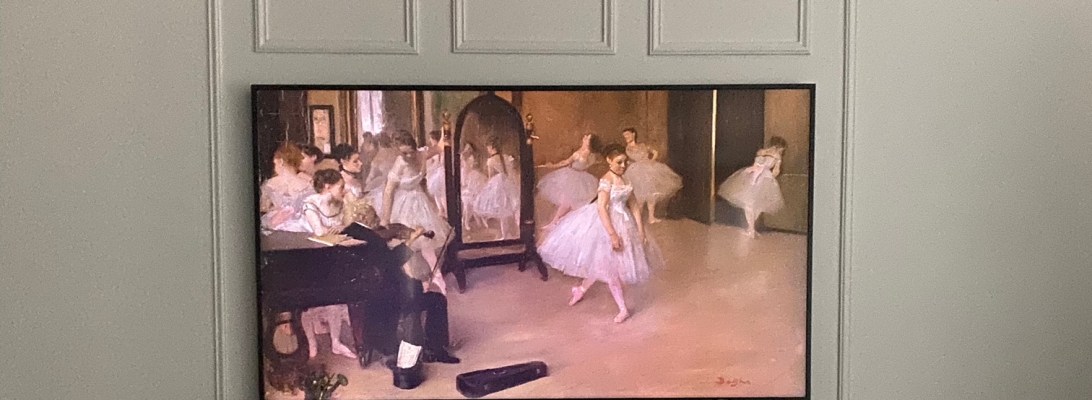
We are so very pleased with the outcome of our room makeover. We included some fun Facebook Marketplace finds along the way, like a four-poster bed and a brass chandelier. I found artwork that coordinated well at Target, Hobby Lobby, and Etsy. And of course, pillows and bedding (Pottery Barn, sadly, they don’t have this quilt anymore).
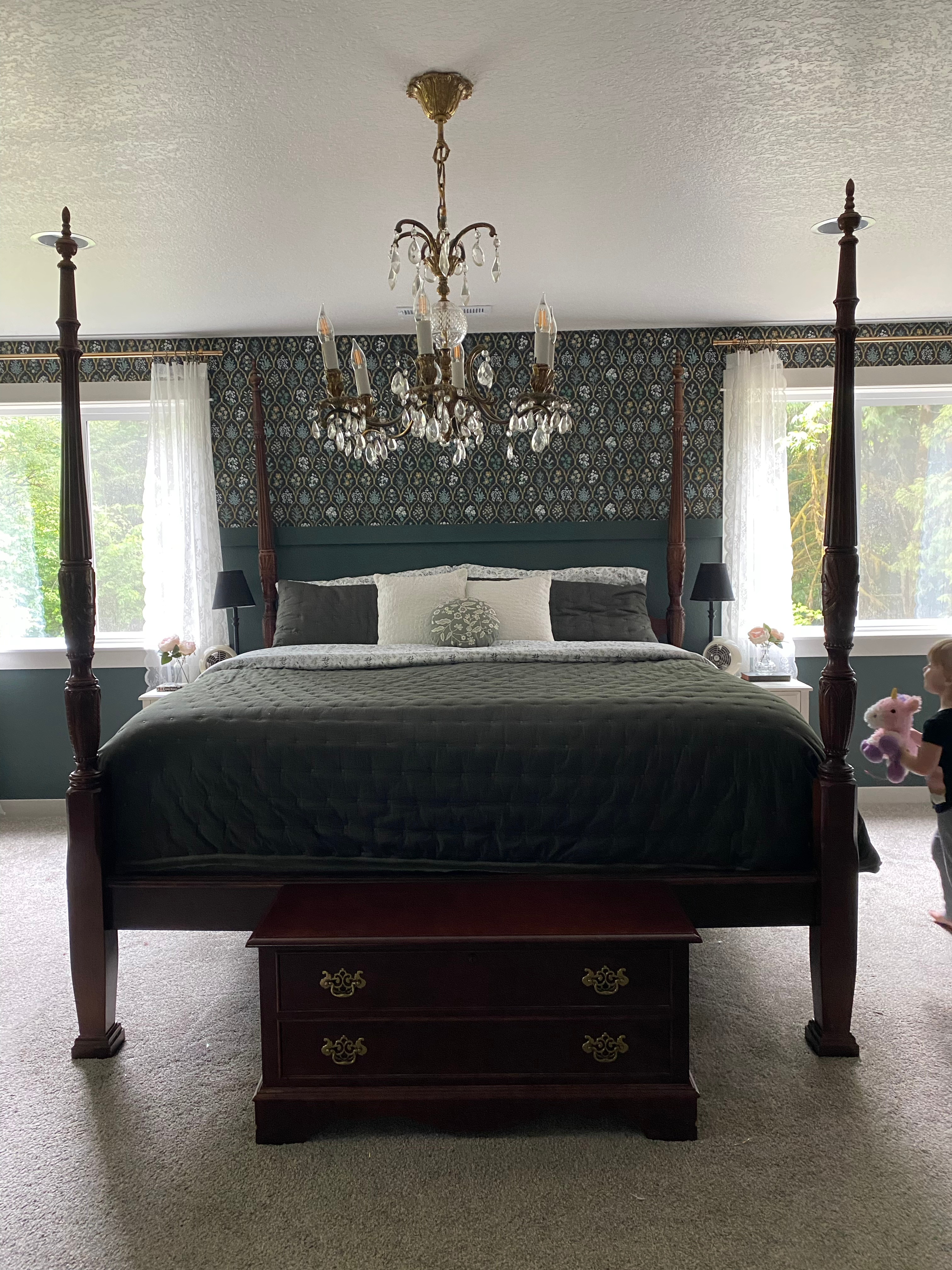
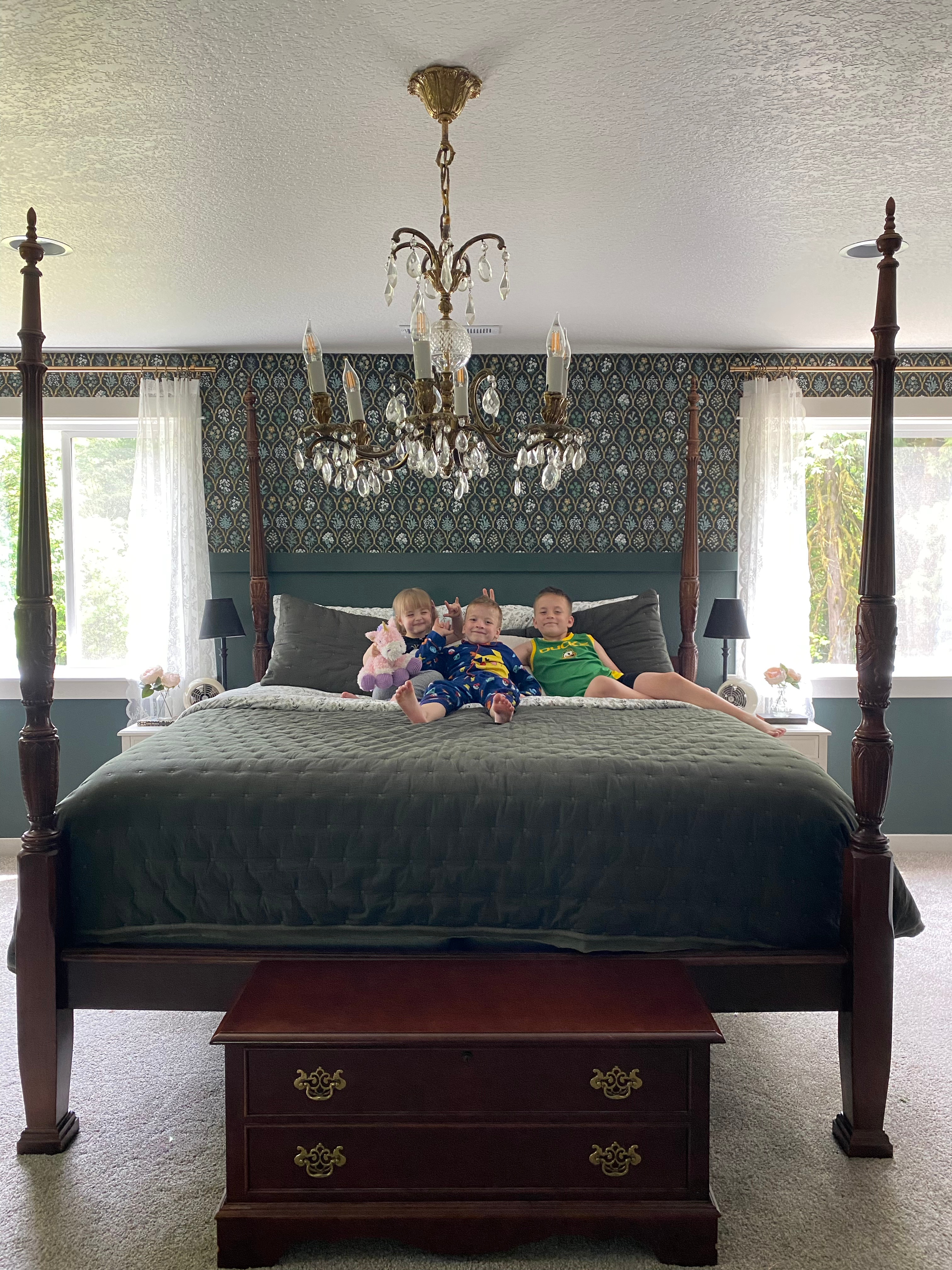
And for those who love good before and after:
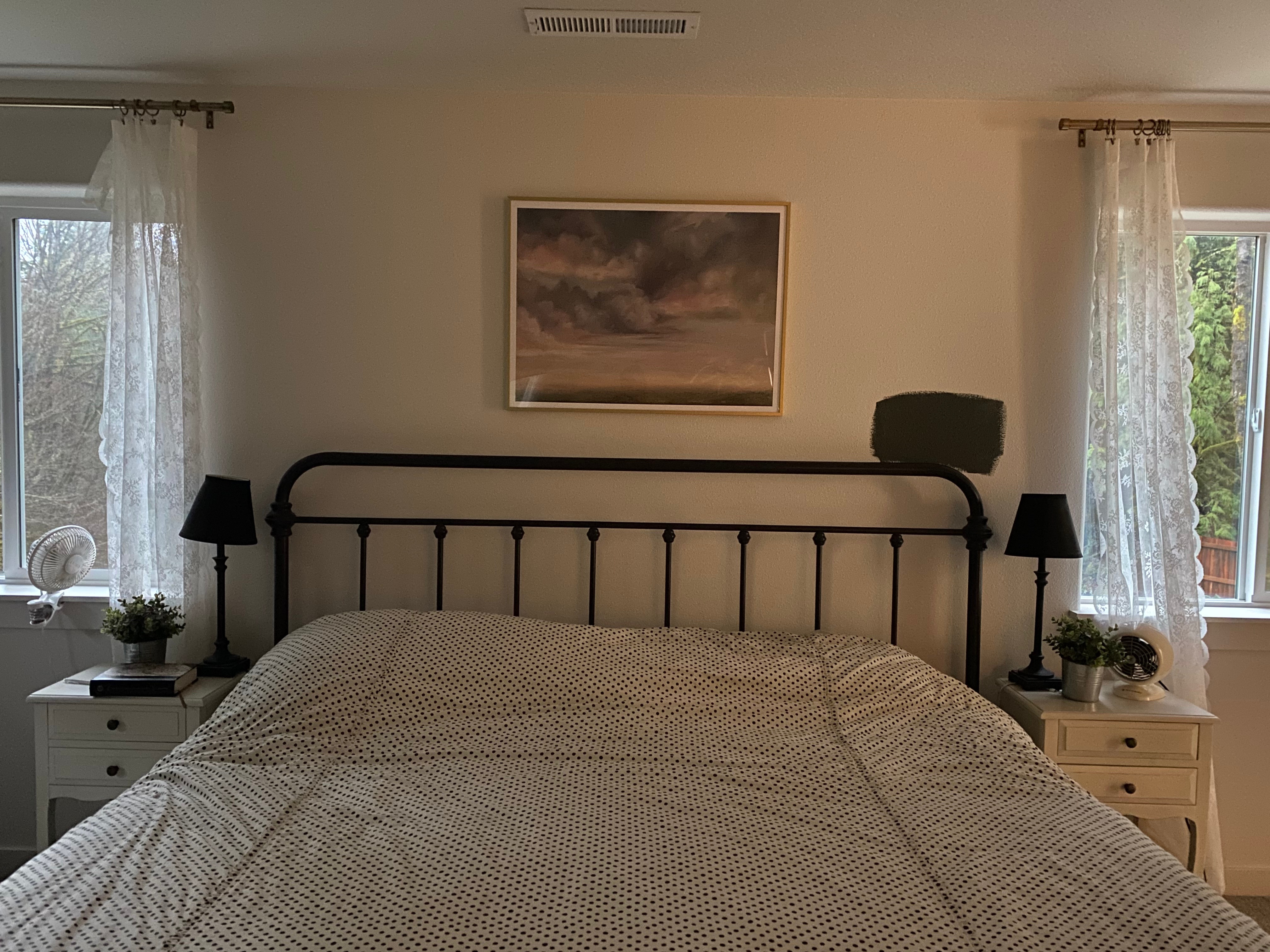
All this to say, not all DIYs go the way you want them to. In fact, in my experience, most do not. Maybe patience is the lesson? Maybe sometimes admitting defeat and starting over? Maybe you don’t have to be a DIY genius every time? Maybe always sample wallpaper? Or maybe just don’t get discouraged if it isn’t Pinterest-Perfect or Insta-worthy, trust what you love.

XO,
h

SOURCES:
Target
Portrait
Floral
Floral with gold frame
White leopard pillow
Green embroidered pillow (which gave me the idea for my next DIY, stay tuned…)
Sheets

Hobby Lobby artwork
Floral
Bow (actually in our bathroom, but too cute not to share)

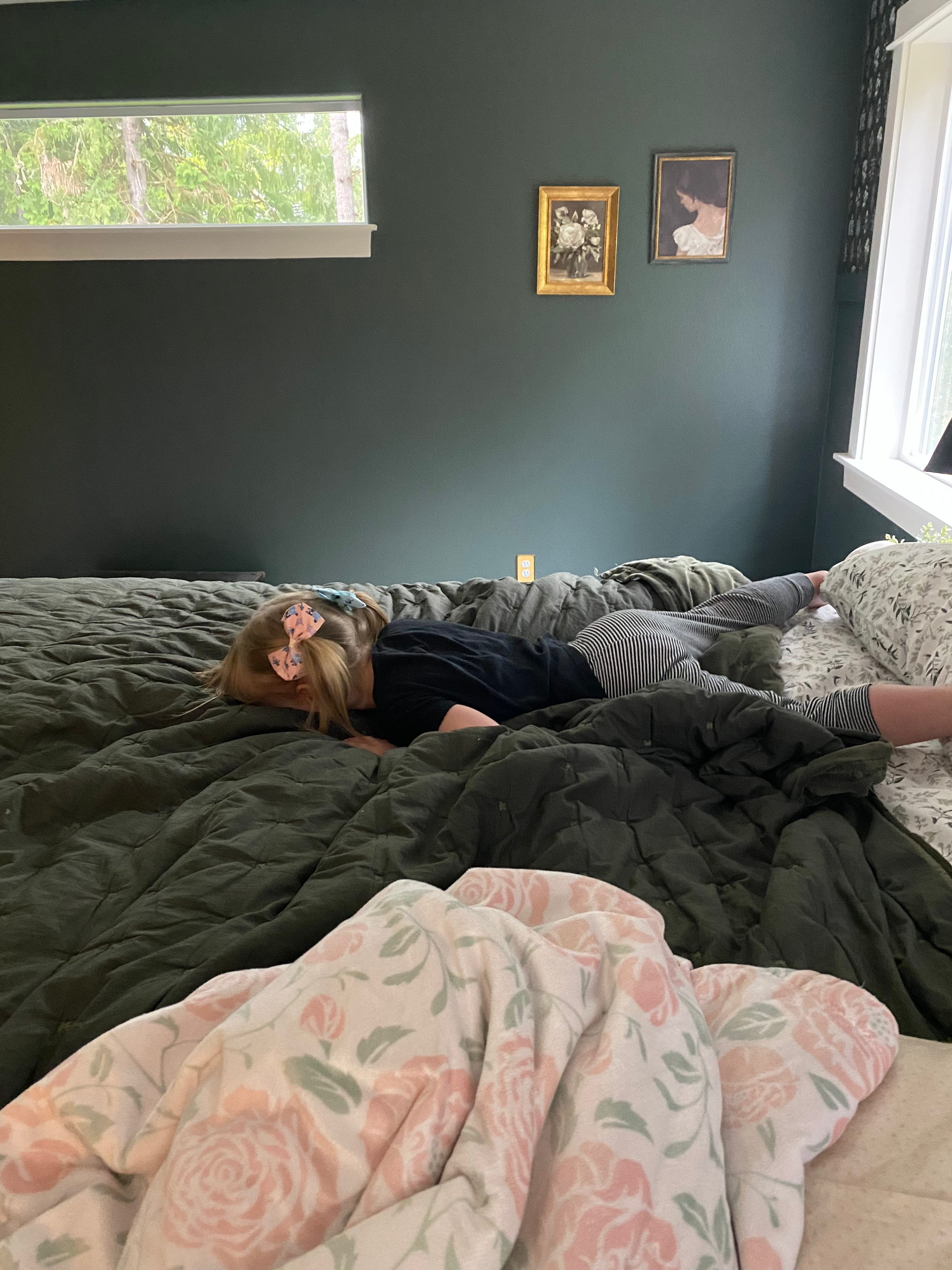
P.S. The kids may be loving this makeover too. 😉
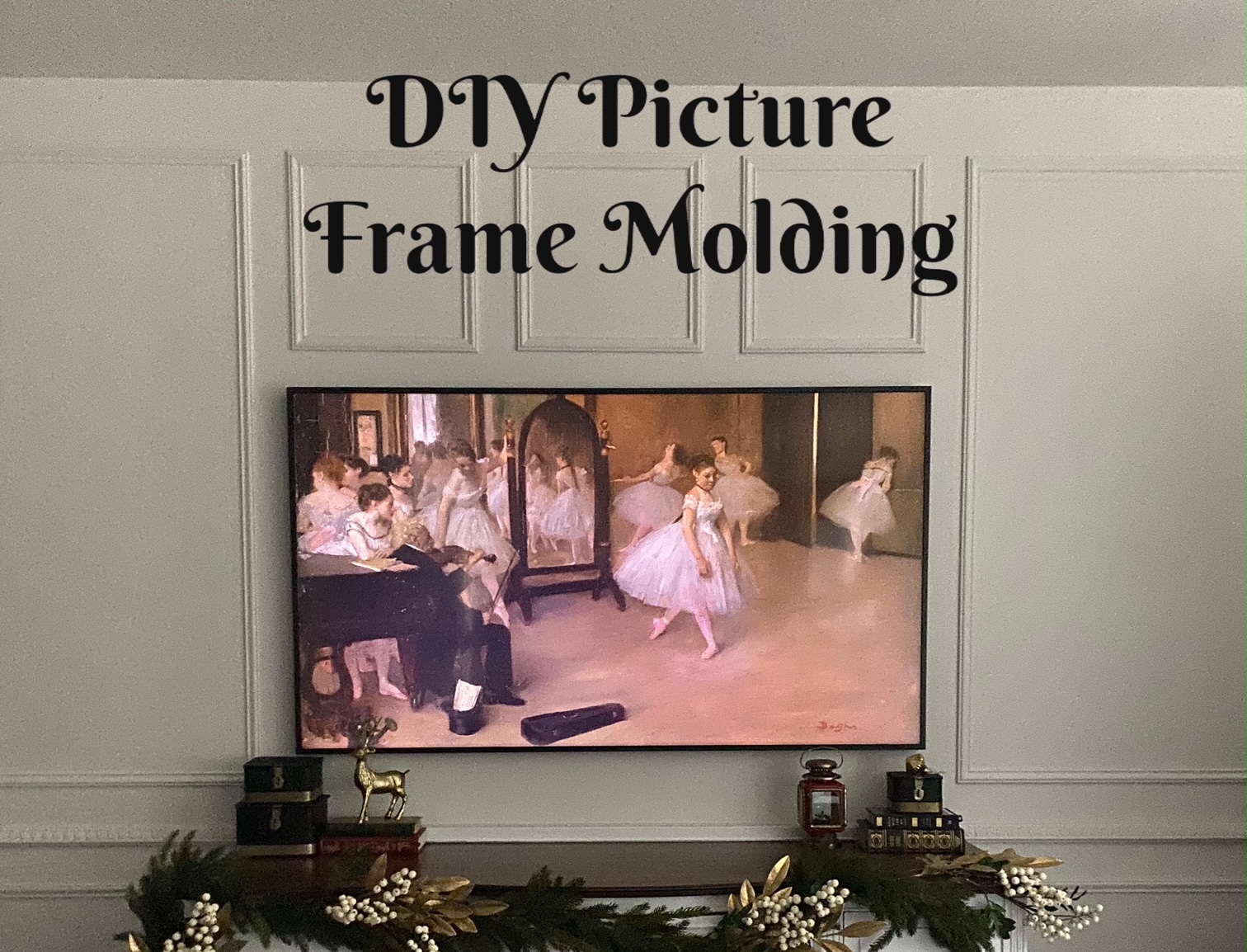
DIY Picture Frame Molding

As it turns out, my design style has become more traditional over the years. I love a good vintage chandelier or vintage sconce or really anything old and steeped in history!

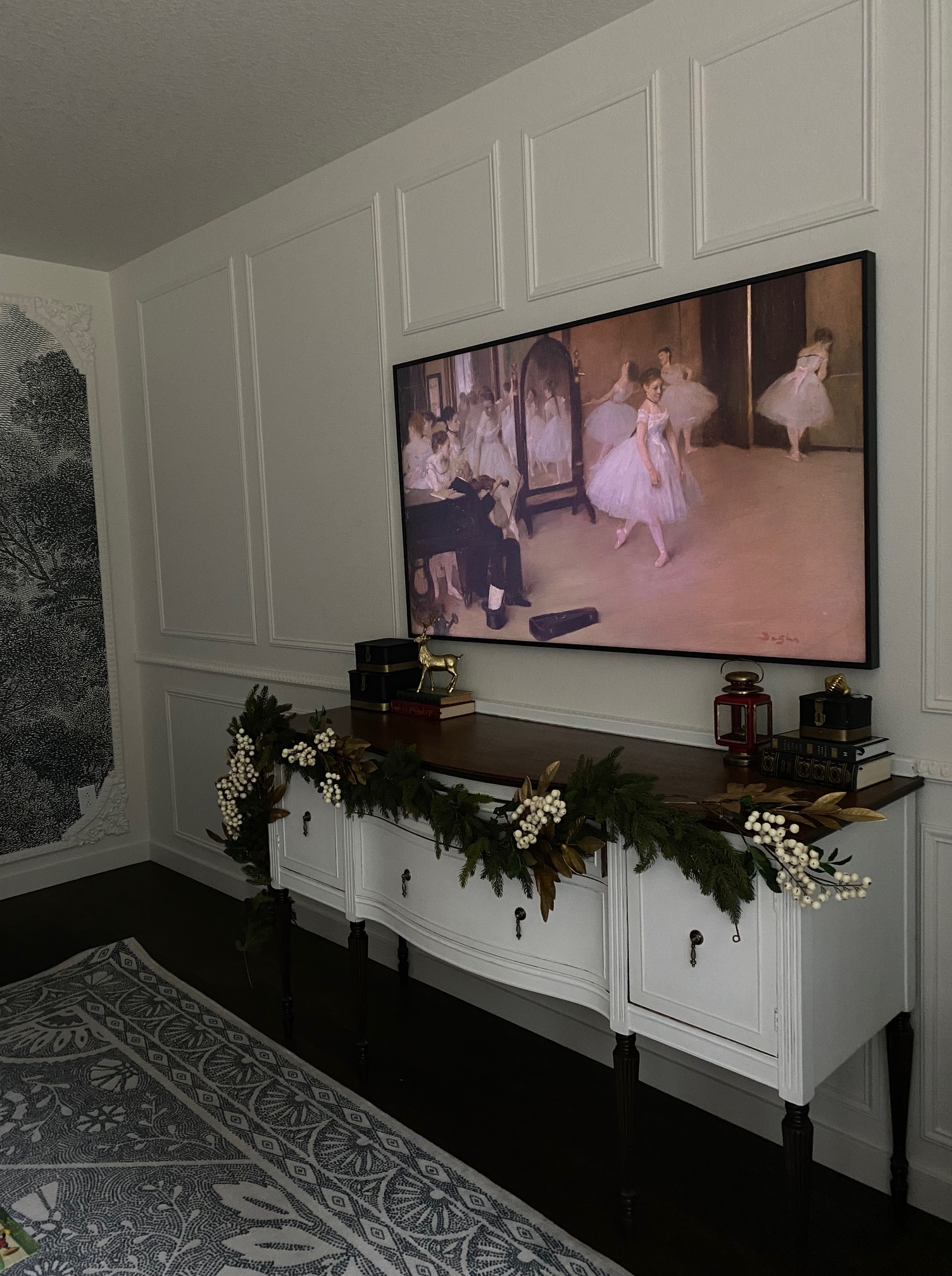
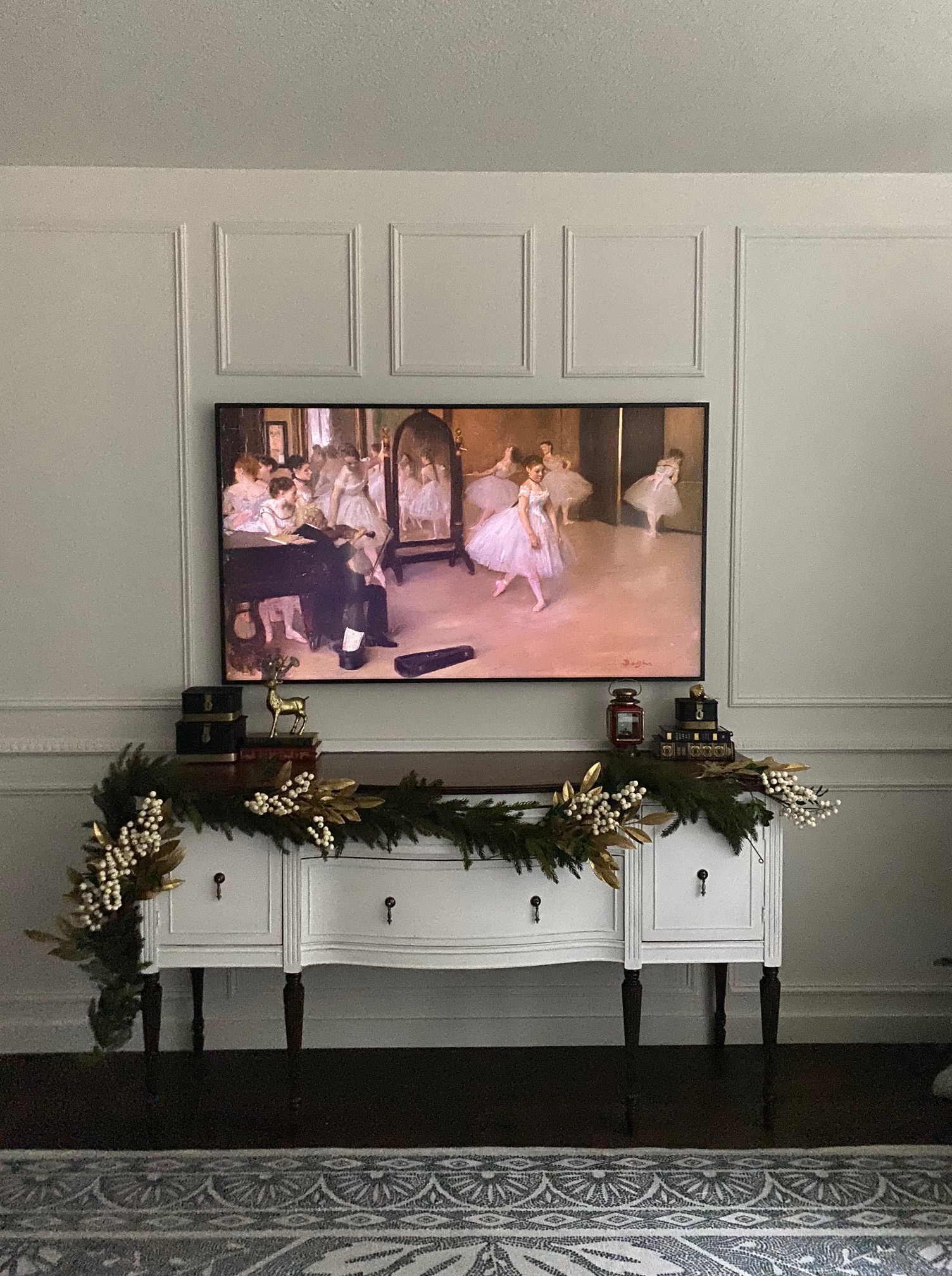
In our new house, we have a lot of blank walls… still. It can be hard to know how to tackle those blank walls and expensive to fill them. Add to that a builder-grade house with only a little charm, the challenge is real! Enter DIY Picture Frame Molding.

Here we go!

Step 1: Math, a lot of math
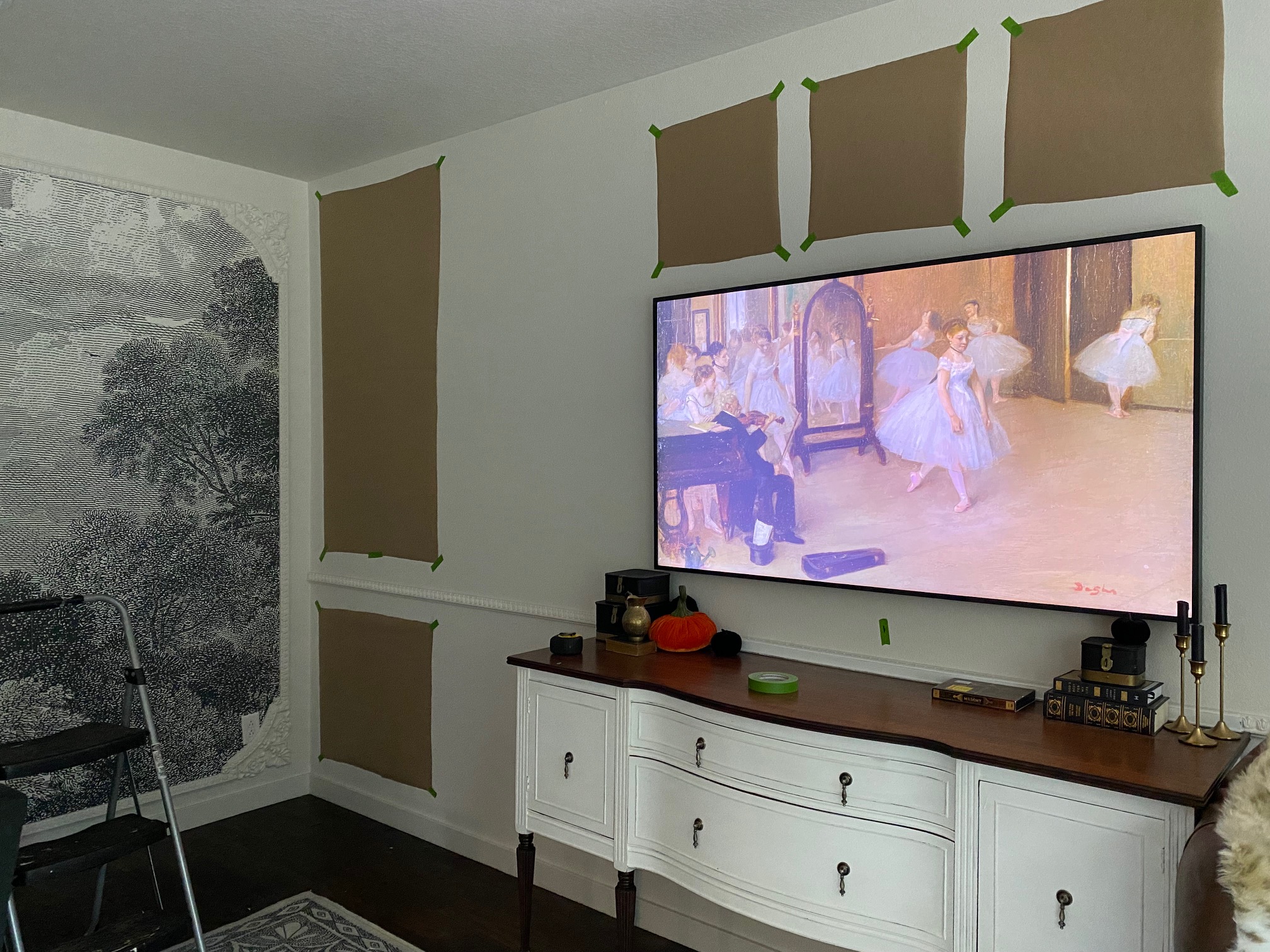
You’ll want to measure your space to determine the correct size and spacing for your molding. I knew I wanted an odd number across the room so I factored that into my measurements. Take the width of your wall and divide it by the number of frames you want, you also need to allow room for spacing between the frames, between the wall and the frames, and the molding itself (whoops, forgot about that at first). After I had my measurements down, I decided to cut out some templates from butcher paper (you could also use wrapping paper) to visualize everything.

Step 2: Cut your pieces and install

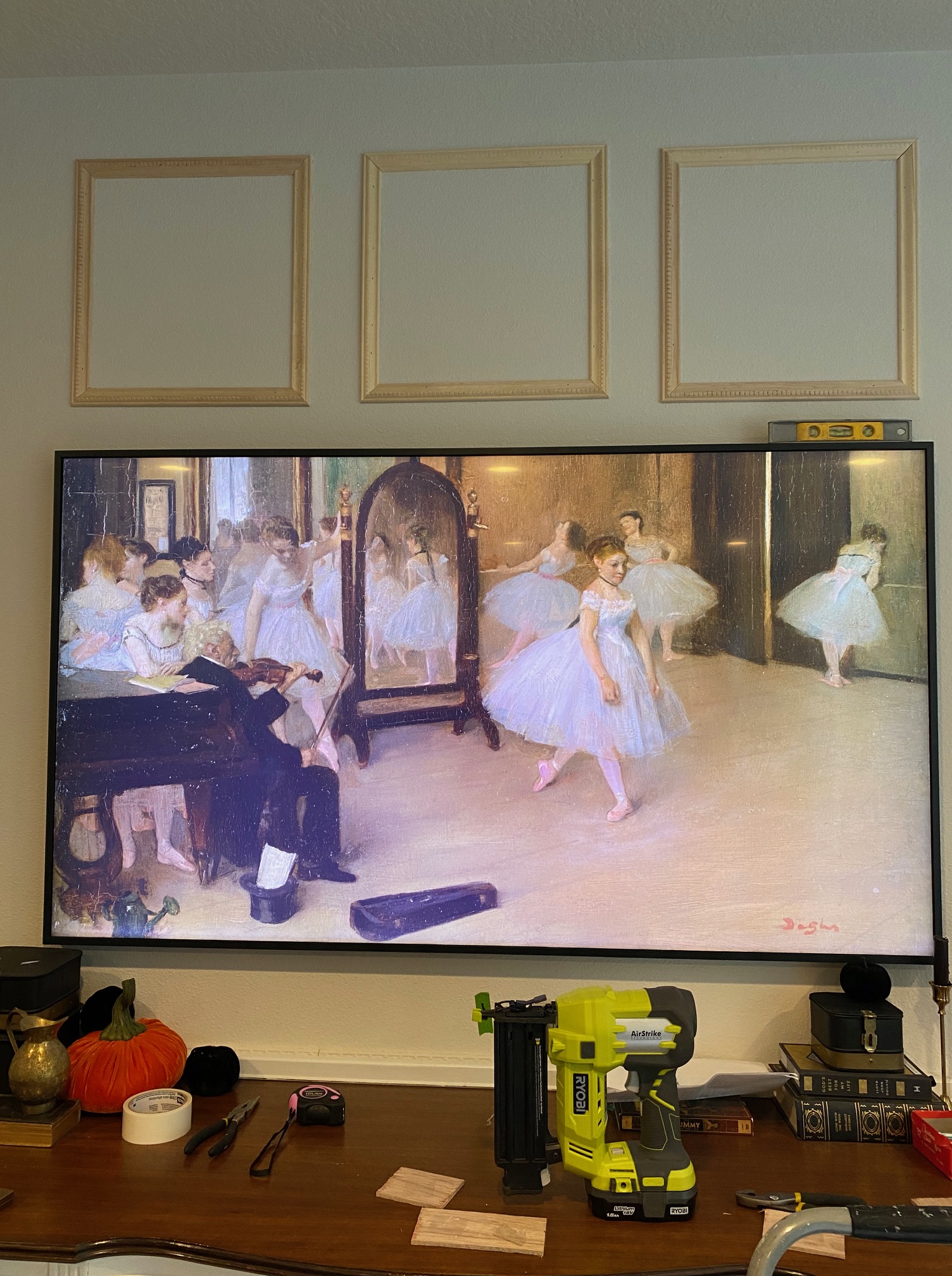
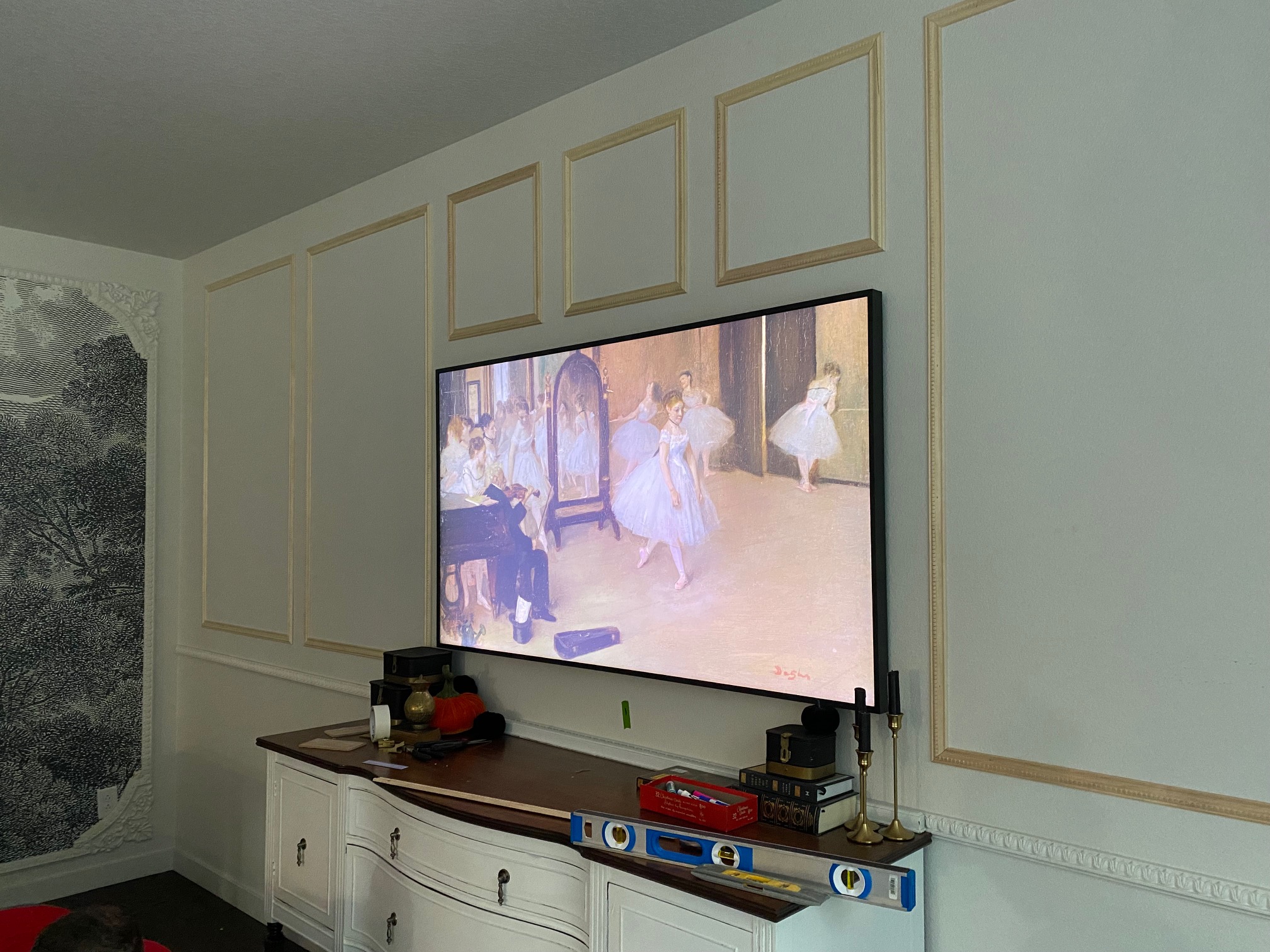
Ryan and I approached this as a team. He was cutting out pieces while I was installing with this brad nailer. Starting in the middle of the wall, I used a combination of measuring tape, level, and small guides we created to find just the right spot to hang the trim. I installed each picture frame in full before moving on to the next one. Then one to the left of center, then one to the right of center, etc.

Step 3: Get help

As quick as the divide and conquer method went, when I got to the large picture frames, I did need a second pair of hands. I didn’t want the molding to bow or shift as I installed it, so Ryan and I worked together to make sure those long pieces were as straight as possible.

Step 4: Second row

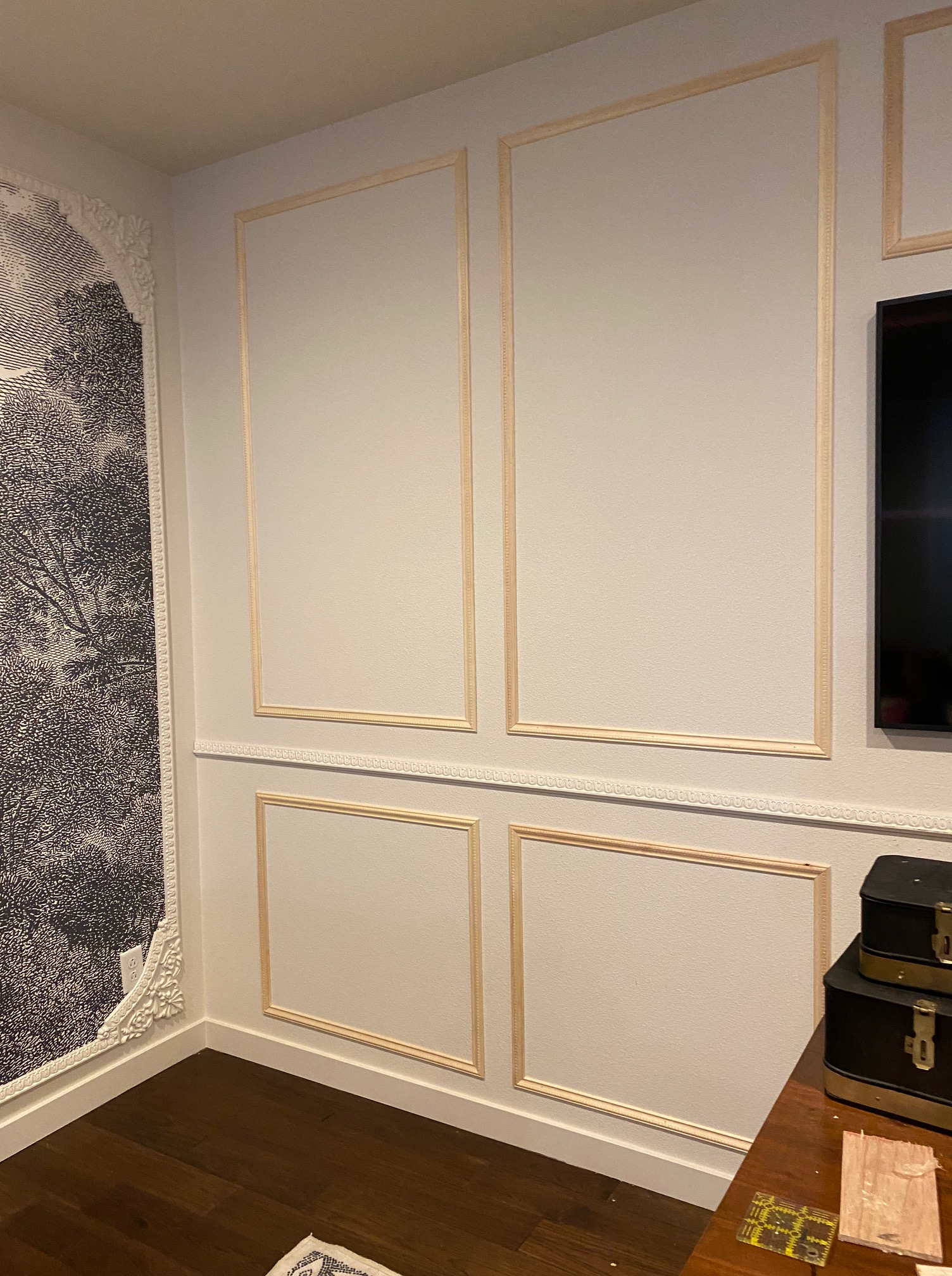
After doing all the molding above the chair rail, I moved to the row under the chair rail. In this case, I could just line up each frame with its buddy on the top row.

Step 5: Fill holes and paint

Once we were happy with the placement of all the molding, we filled the nail holes and painted the trim to match the walls (SW Origami White).

Step 6: Voila!

Sit back, relax, and enjoy a job well done and a wall that isn’t quite as blank anymore. (More to come!)

XO,

Heather

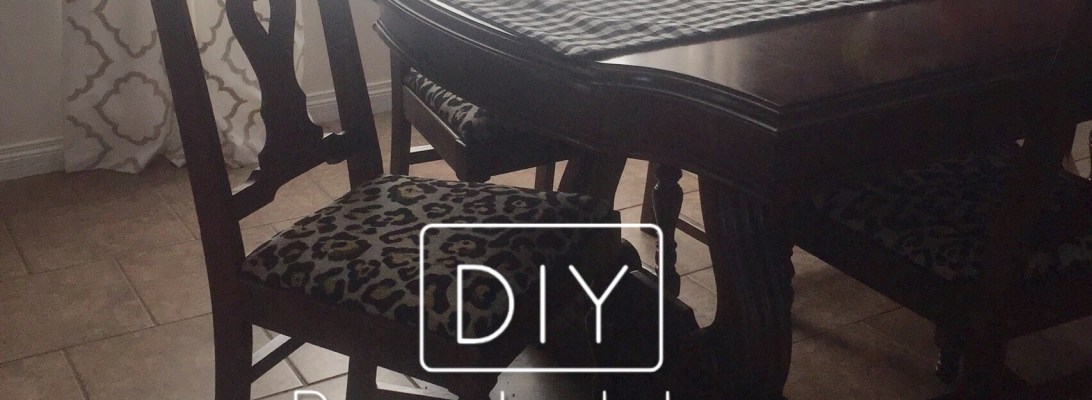
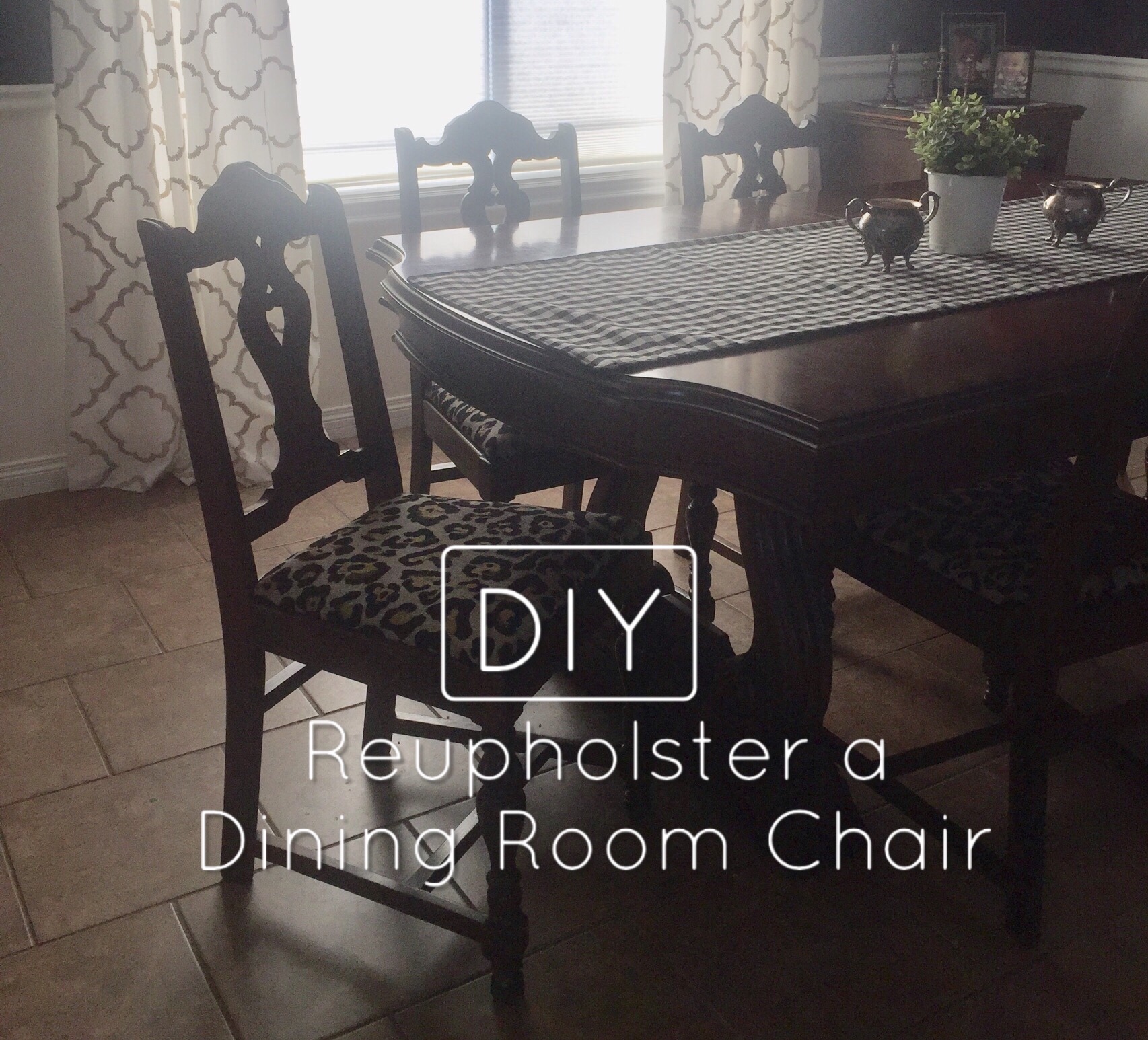
DIY – Reupholster a Dining Room Chair

When Ryan and I were first married, my parents spent a weekend at my grandparents house getting rid of some clutter. One of the items that was on its way out was an old dining room table and chairs that originally belonged to my great grandparents.

Thankfully, my mom couldn’t bear to see them go. So, she called me! Yay!

I’m always up for a little DIY challenge and Ryan and I just so happened to be shopping for our first house. Perfect!

Mom saved the set from the landfill, Ryan and I bought a house, and the set was ours. We lovingly refinished the chairs with dark cherry stain and I re-covered the seats with a tone-on-tone red damask fabric. Gorgeous! We ended up having to buy a new table because the tabletop wasn’t salvageable (good news, we did save and reuse the legs).

Every time my parents come over for dinner, my Dad remarks fondly how glad he is that we saved the chairs. He remembers the “heart” shape backs from his own childhood. My grandmother has also been tickled to see them in our house. I love the history and stories these chairs tell. All the warm fuzzy feelings!

Now we have three little ones of our own and the stories continue. Sadly though, the red damask hasn’t loved the spilled oatmeal, applesauce, milk, ice cream, yogurt, syrup… you name it, those chairs have gotten doused in it.

I was wandering around Hobby Lobby looking for inspiration, and this is what called my name!

The chairs! Yes!

Materials:

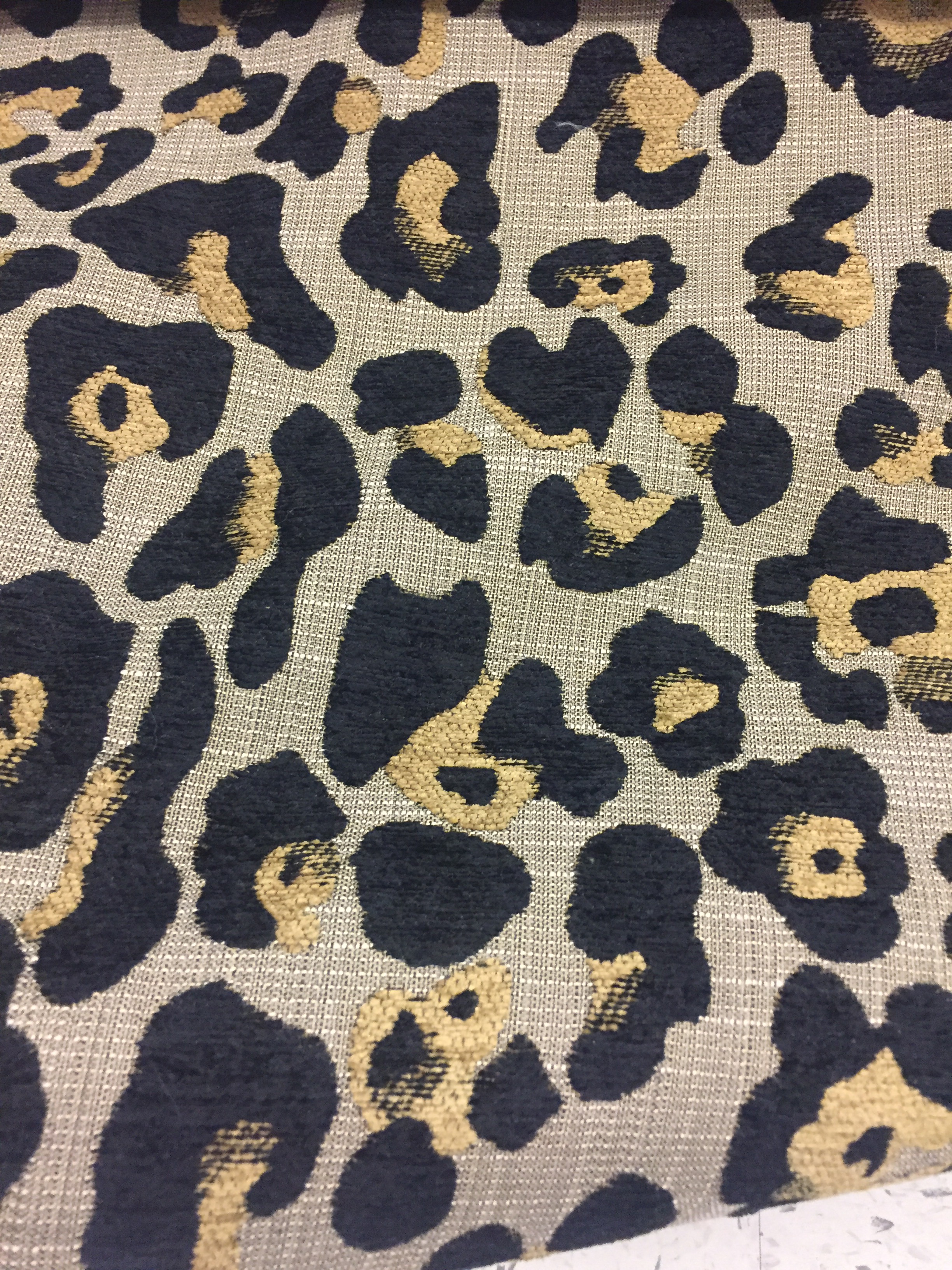
1 yard home decor fabric (Mine was from Hobby Lobby)

6, 1″ foam chair pads (Hobby Lobby again), measuring 15″ x 17″

Tissue paper

Staple gun, staples

Pliers and screw driver (for removing old staples)

Directions:

    I started by removing the seats from the chairs. (Let’s be real, Ryan did that part. Thanks babe!)
    I used a combination of the flathead screwdriver and pliers to remove the old staples.
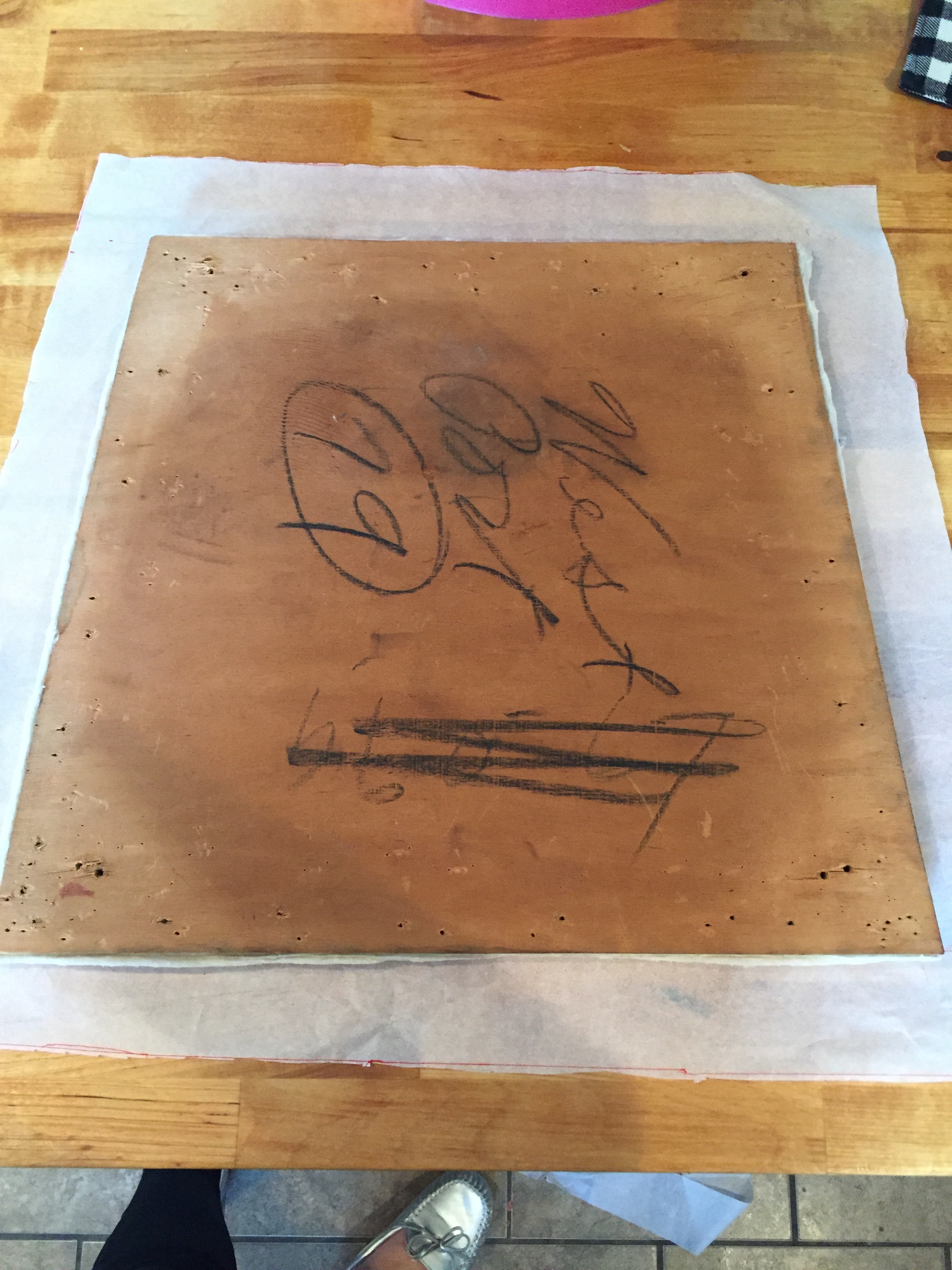
    I traced the seats out into the tissue paper and then added about 2.5″ all the way around to create a pattern. If you look closely (not only will you see my stylish slippers) you will also see my grandfather’s last name and my grandmother’s maiden name written on the back from when my grandparents were first married and had the chairs recovered. Family history right there!
  • Then I used my pattern to cut out my fabric. I also had to trim the chair foam just a bit to fit the seats.
    Assembling the seats is as simple as fabric face down, foam centered on the fabric, seat (face down) on top. Then staple, staple, and staple some more. To staple, you want to pull the fabric tight, actually pressing down on the foam. Start in the center of one side, and work to the edges, leaving the corners until all four sides are done. Do the corners last, making a nicely finished edge.
    Ryan put the screws back in and… voila!

Chairs full of legit family history sans oatmeal stains!
-h

P.S. Check out my cute little helper…

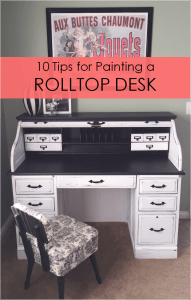
10 Tips for Painting a Rolltop Desk

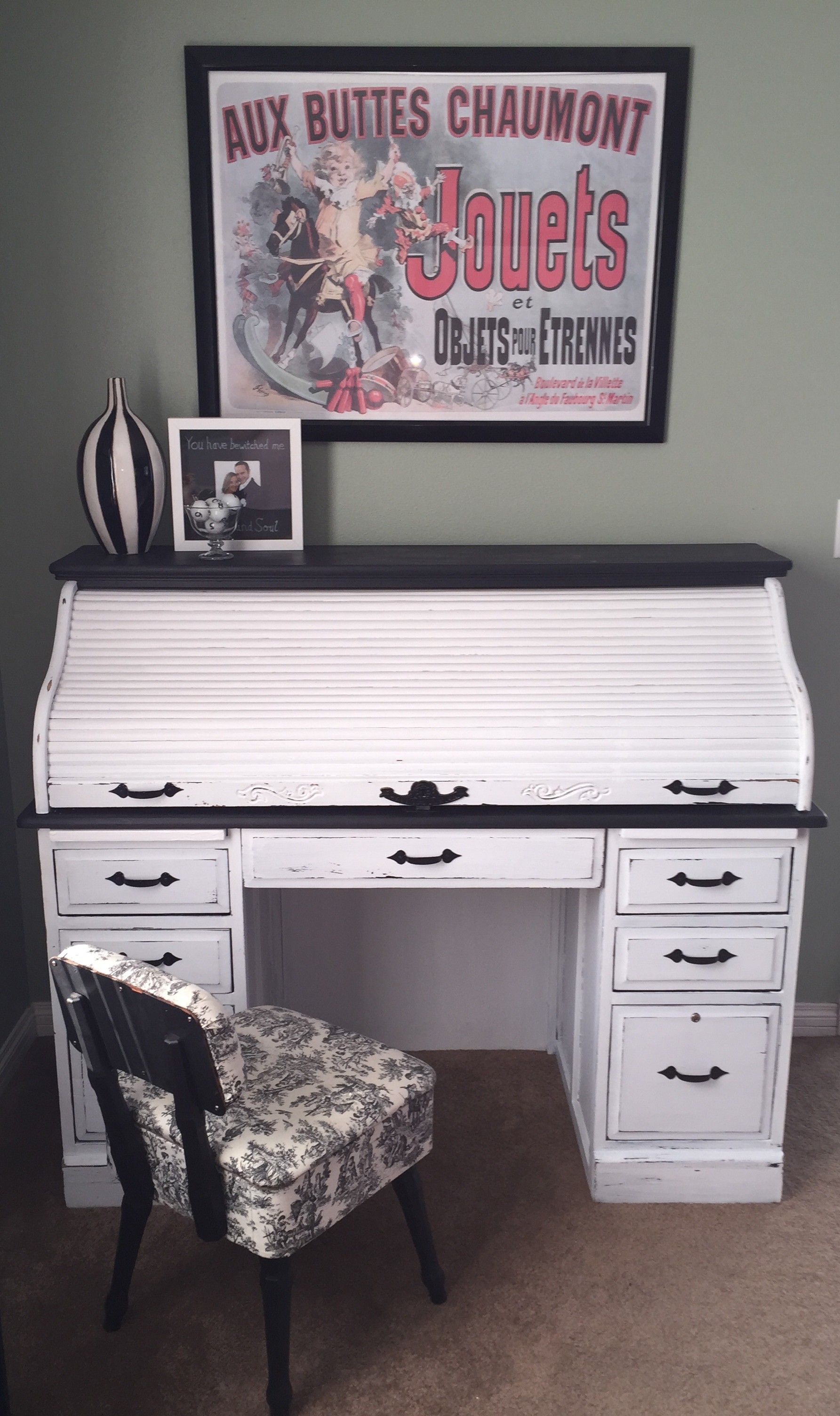
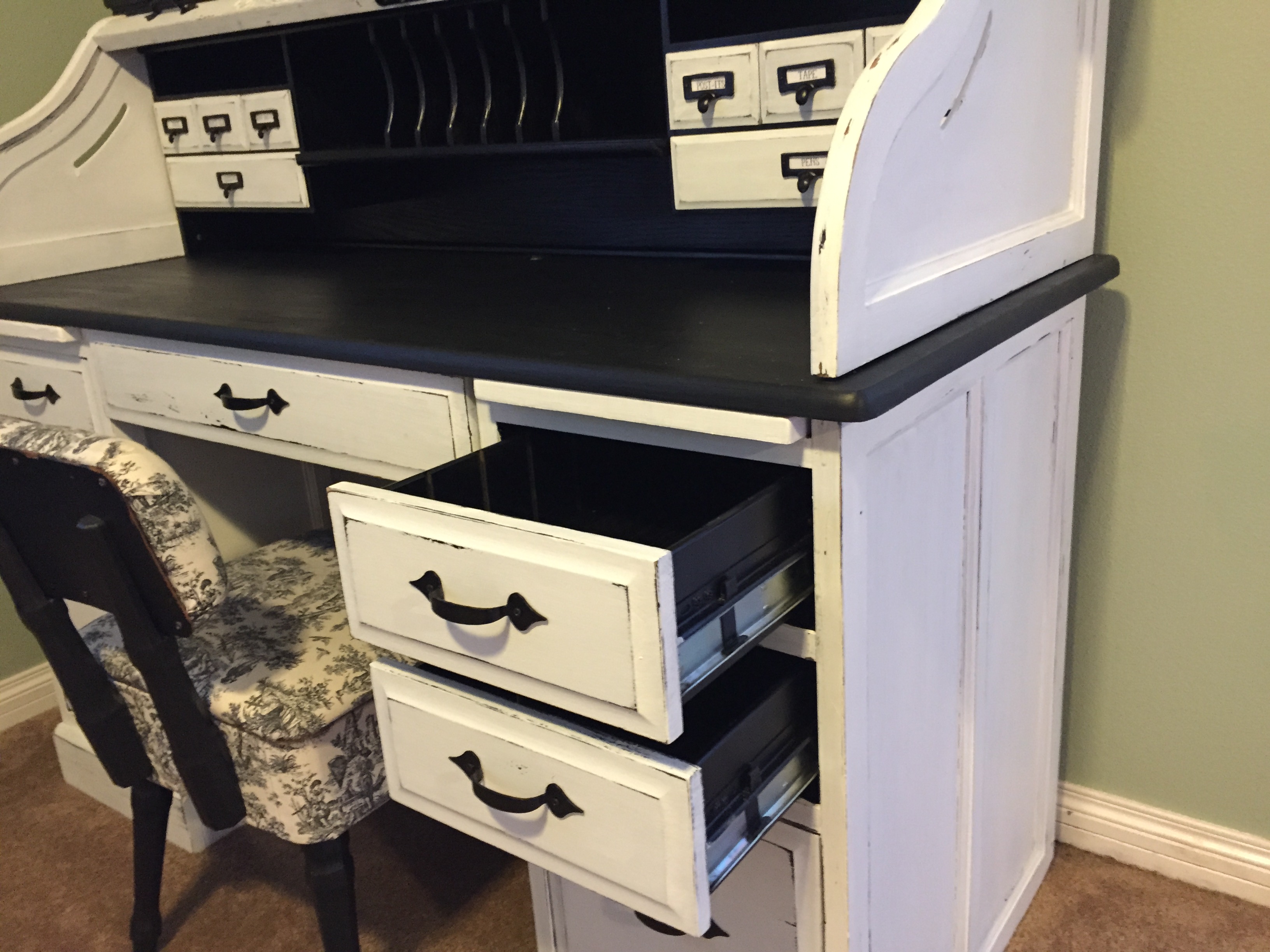
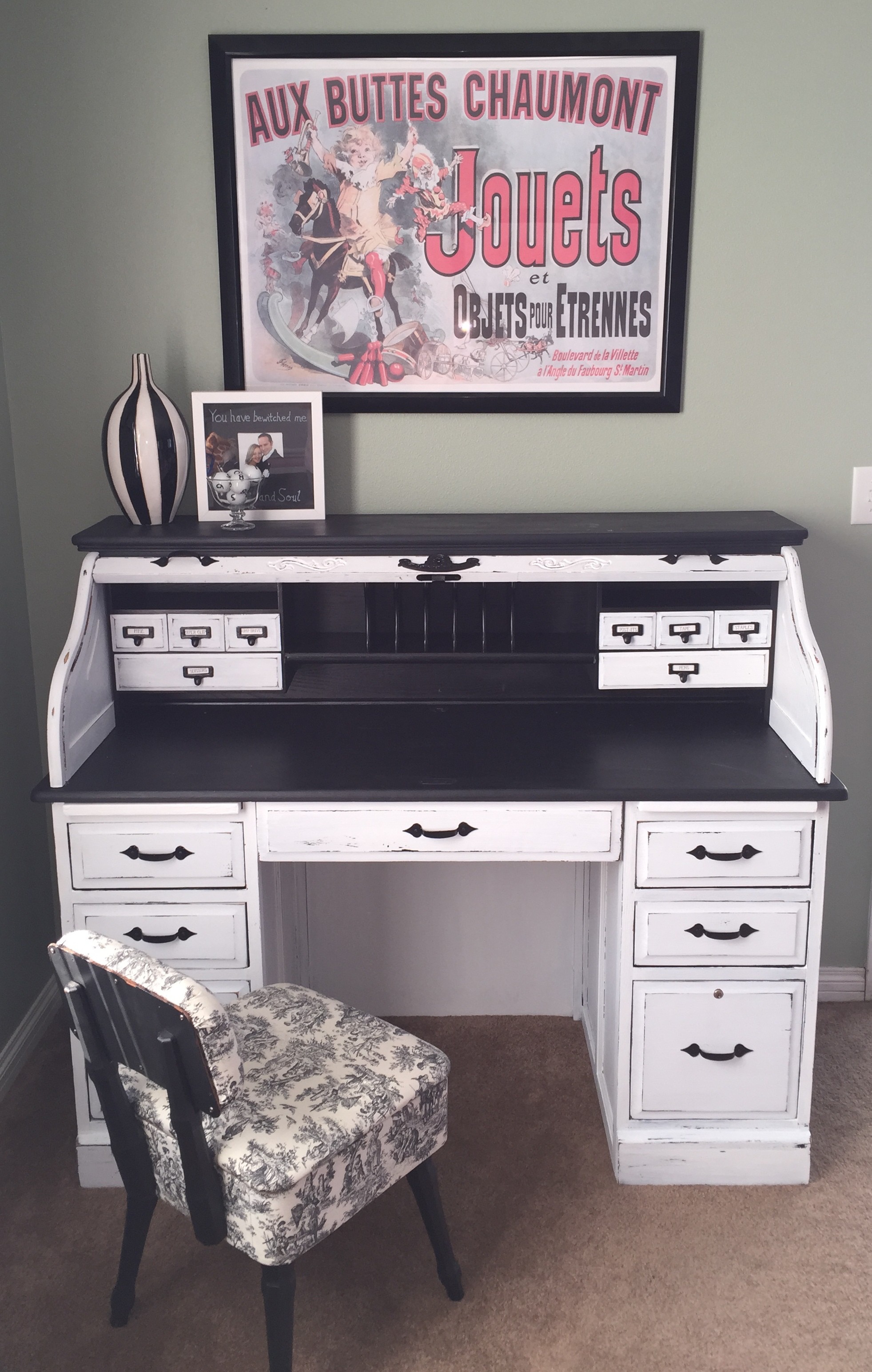
There is something so rewarding about taking an old and unexciting piece of furniture and giving it a completely new look! I love painting furniture, and our most recent project was this rolltop desk we were given. It has always lived in our office and while I didn’t love the finish, I LOVE all the little cubbies and drawers. It gives the illusion of organization at least. In our efforts to baby proof, we moved my craft table to the office, and now the desk is in our living room. Now that the desk is more visible, it really needed to be updated. So, instead of giving you the blow-by-blow, I thought these 10 tips would really cover the important points and convince you that anyone can do it!

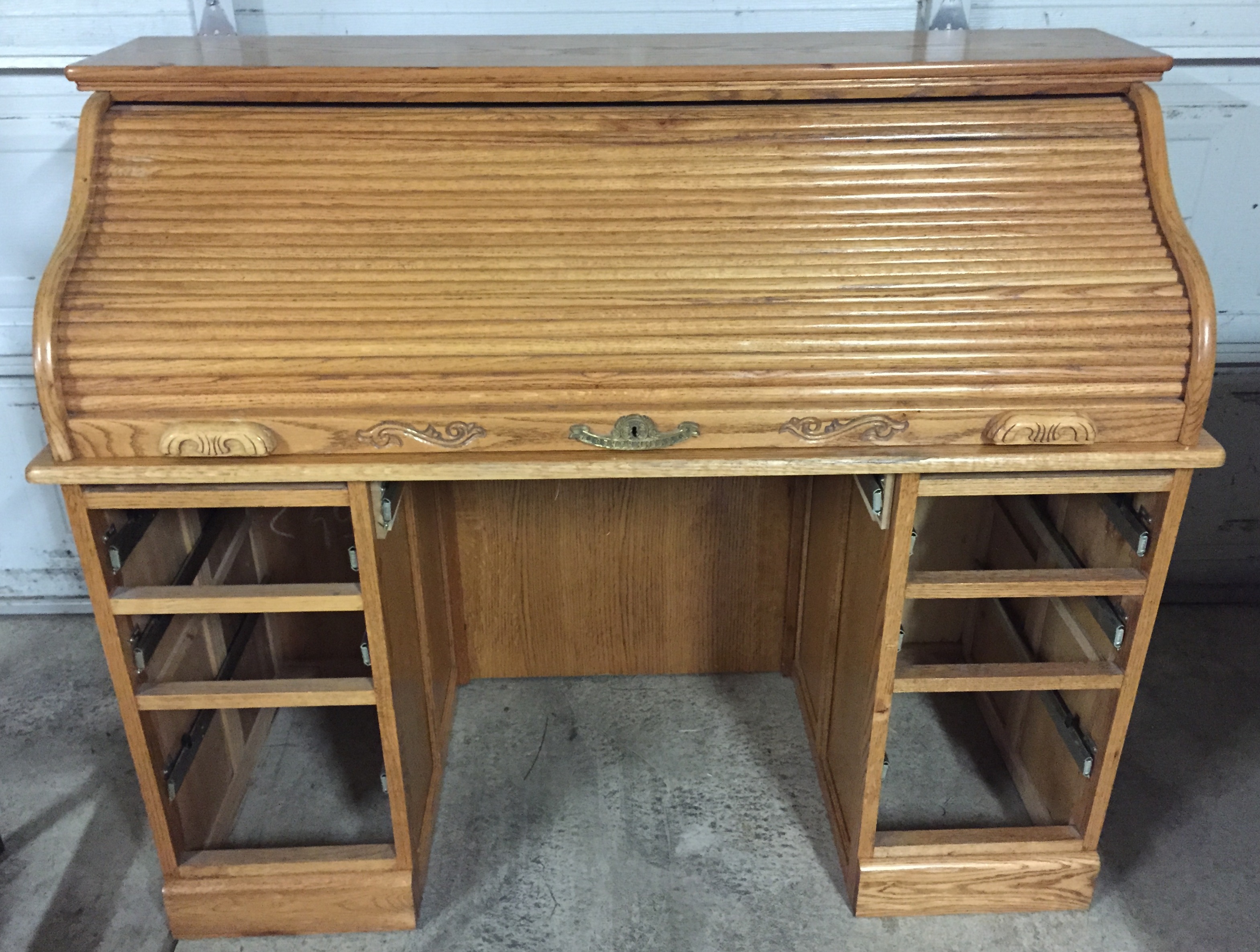
BEFORE:
Rolltop Desk Before Picture closed

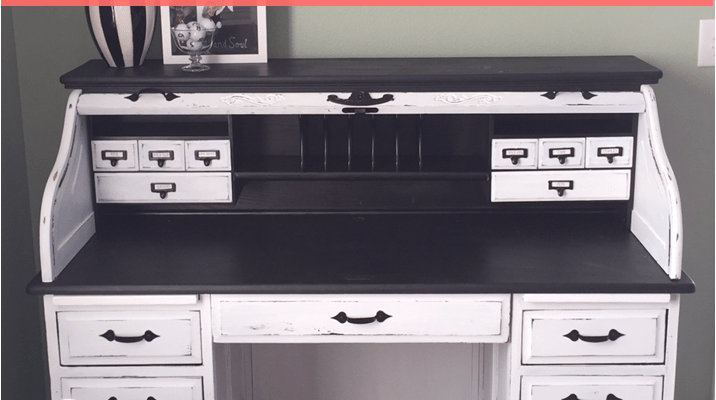
AFTER:
Rolltop Desk FINAL closed

1. Use chalk paint.
Chalk paint rocks! You don’t have to spend hours prepping the surface, and it comes out with a great matte finish. There are a lot of great brands out there, but there is a local place that sells Shabby Paint and their colors are great. For this project I used Snow White, Licorice, and Sheer Vax to finish it.

2. Use spray paint.
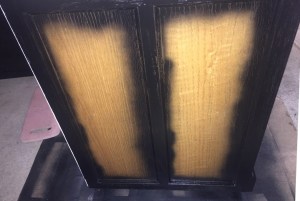
Because I wanted to give the desk a distressed look with some “layers,” I used black spray paint (satin finish) on all the edges and corners of the desk before painting it all white with the chalk paint. So when I distressed the desk, you can see some great added dimension with the black layer. It really adds to the overall look in a big way.
Rolltop Desk Spray paint edges

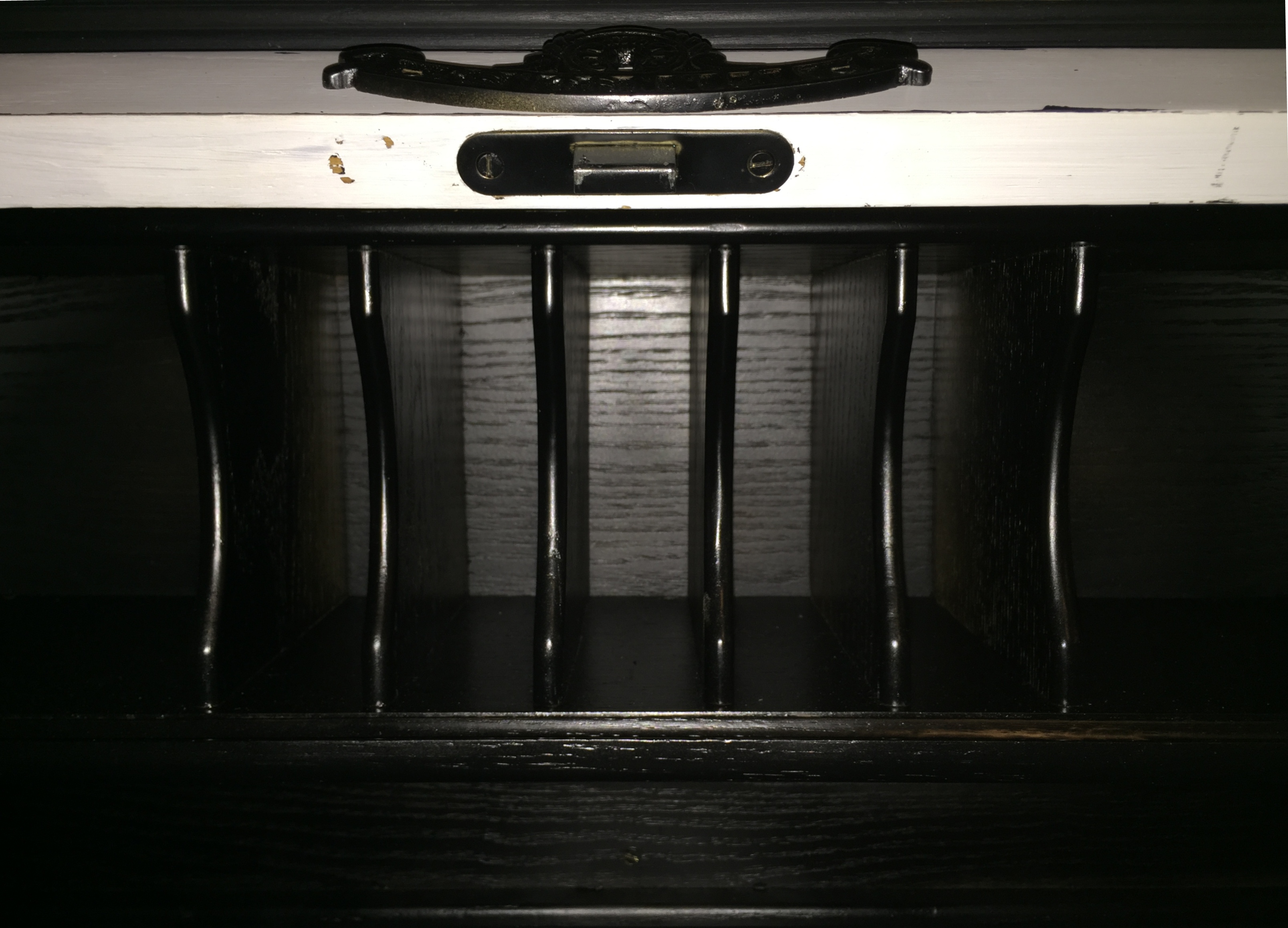
In addition, I used black on the cubbies inside the desk. There really wasn’t a good way to get a paint brush into those tight areas. Just using a bit of spray paint made my life way WAY easier!
Rolltop Desk cubbies

3. Take time to disassemble the desk.
It might seem like a bit of a pain, but you will save yourself quite a headache if you at least take off the top of the desk, and remove the rolltop. You will be even more pleased with your result if you take the time to do this step. Make notes to yourself as you take it apart to make re-assembly go smoothly.

4. Consider a two-toned look.
I really like the way this turned out. I decided I wanted the horizontal surfaces to be black. It adds interest and makes the finished desk unique. I love the contrast of black and white, but lots of other color combos would be cool. Maybe Vogue and Garfield Grey, Emily Ann and Lillian Grey, Paper Doll and Alamo White…

Rolltop Desk After 1

5. Paint the sides and inside of the drawers.
In keeping with the two-toned look. We painted the inside of the drawers black. This feels so good when you open the drawers and see a nice completely finished piece. Another fun idea, especially if you are going with one color on the desk, would be to paint the insides and sides of the drawer with a fun pop of color. This extra step is worth it! BTW, we used spray paint on this step too.

Rolltop Desk side angle of drawers  Rolltop Desk side angle of little drawers

6. Dry brush the rolltop piece.
Every project inevitably has a lesson you learn the hard way. The good news is that you can learn from our mistake. I’m going to reiterate step 3, take the rolltop out and lay it flat. You then want to carefully dry brush this piece. It will take extra time, but you don’t want the paint to puddle between the slats. Otherwise you will end up with cracked paint you won’t be happy with. Take your time, it might take an extra coat or two.

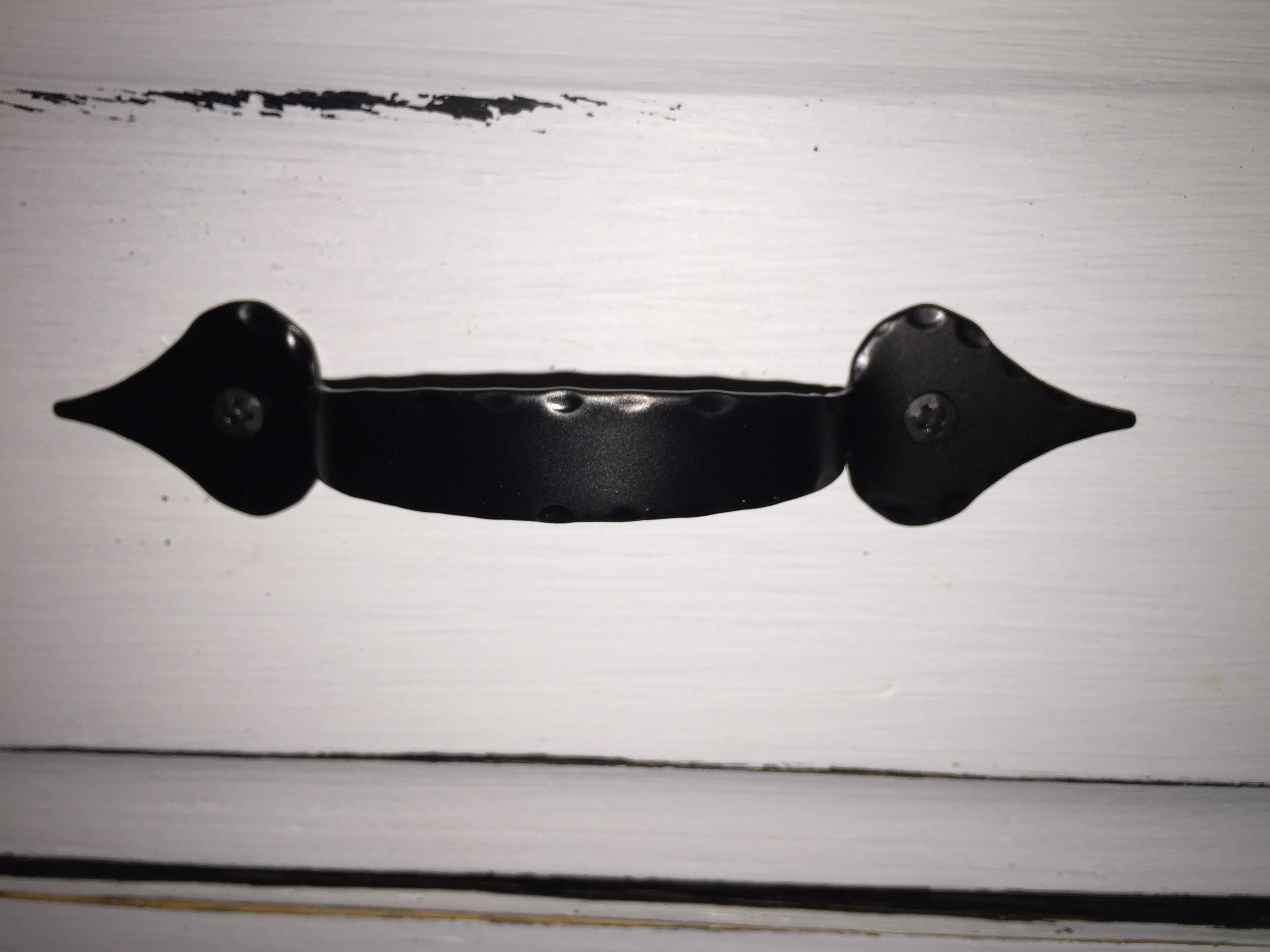
7. Buy new hardware.
This desk had wooden pulls that just didn’t excite me so we decided to update the majority of the hardware. New hardware doesn’t have to be expensive (we paid like $1.79 per pull) but it can make a big difference!

Original pulls     Update hardware

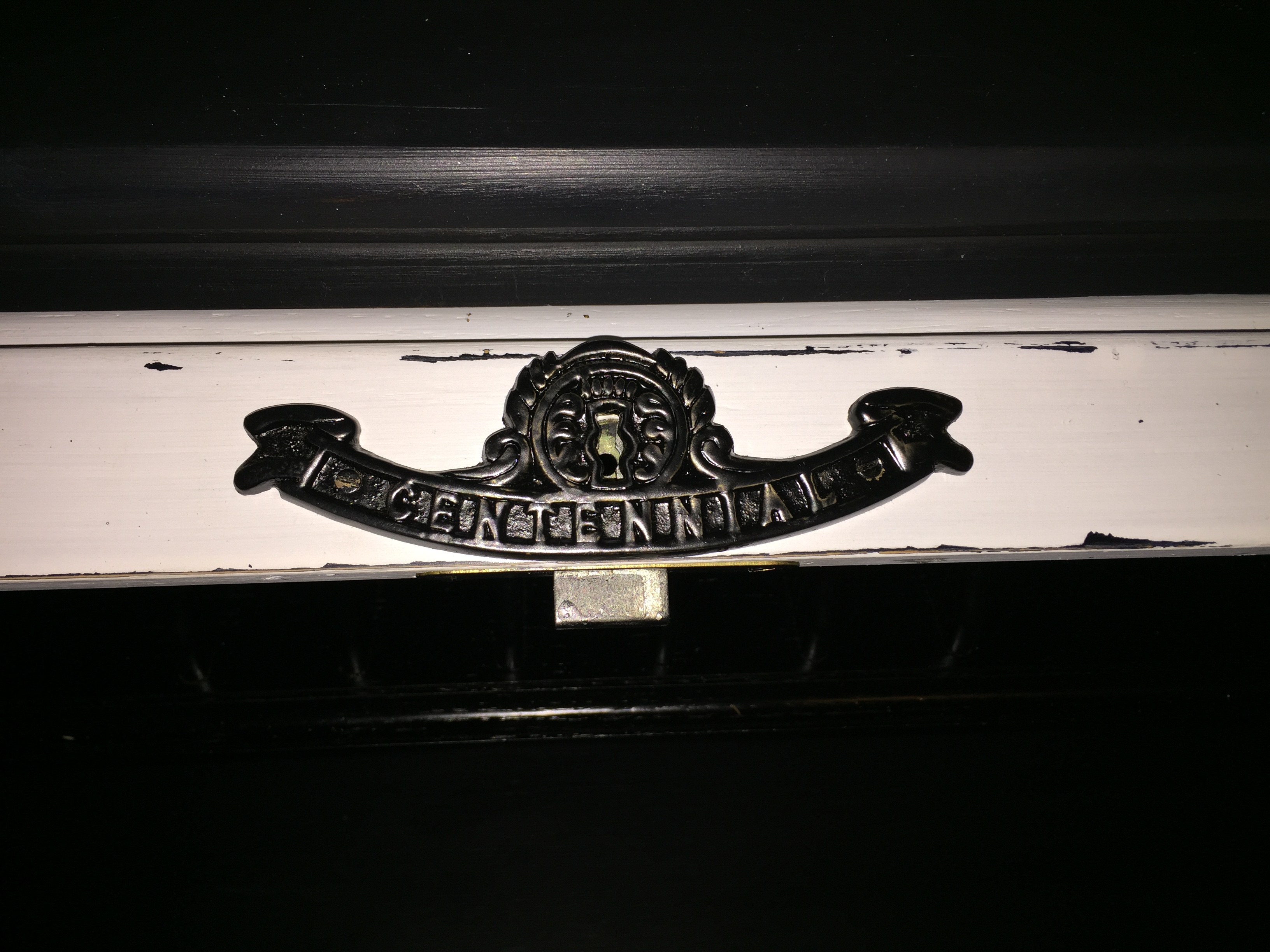
8. Spray paint existing hardware.
While I didn’t love the wooden pulls, I do love the plate on the front of the rolltop as well as on the plates on outside of the little drawers. I just decided to get ride of the gold and spray paint them black. Looks super cool!

Rolltop Desk spray paint existing hardware

9. Have fun distressing.
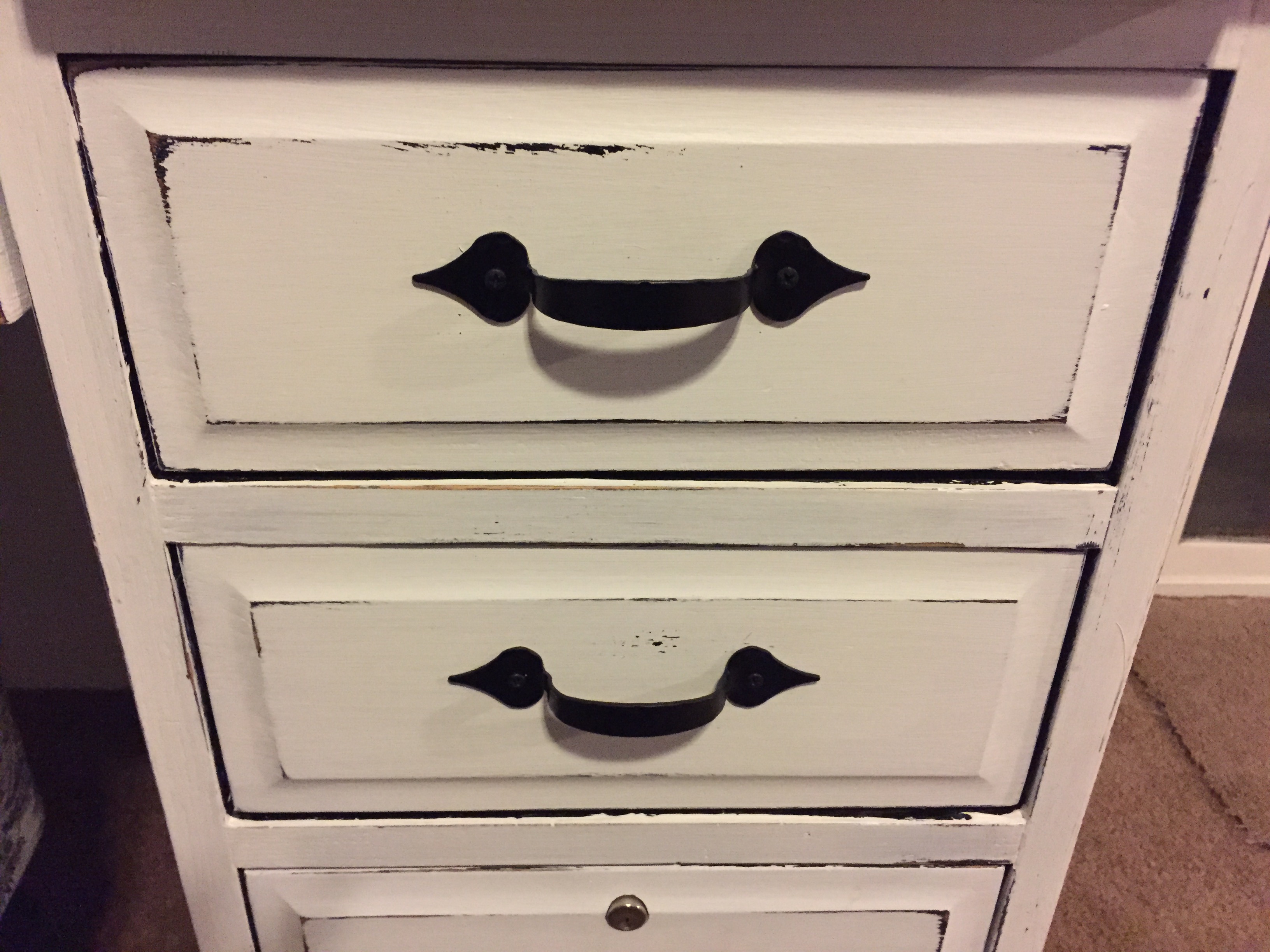
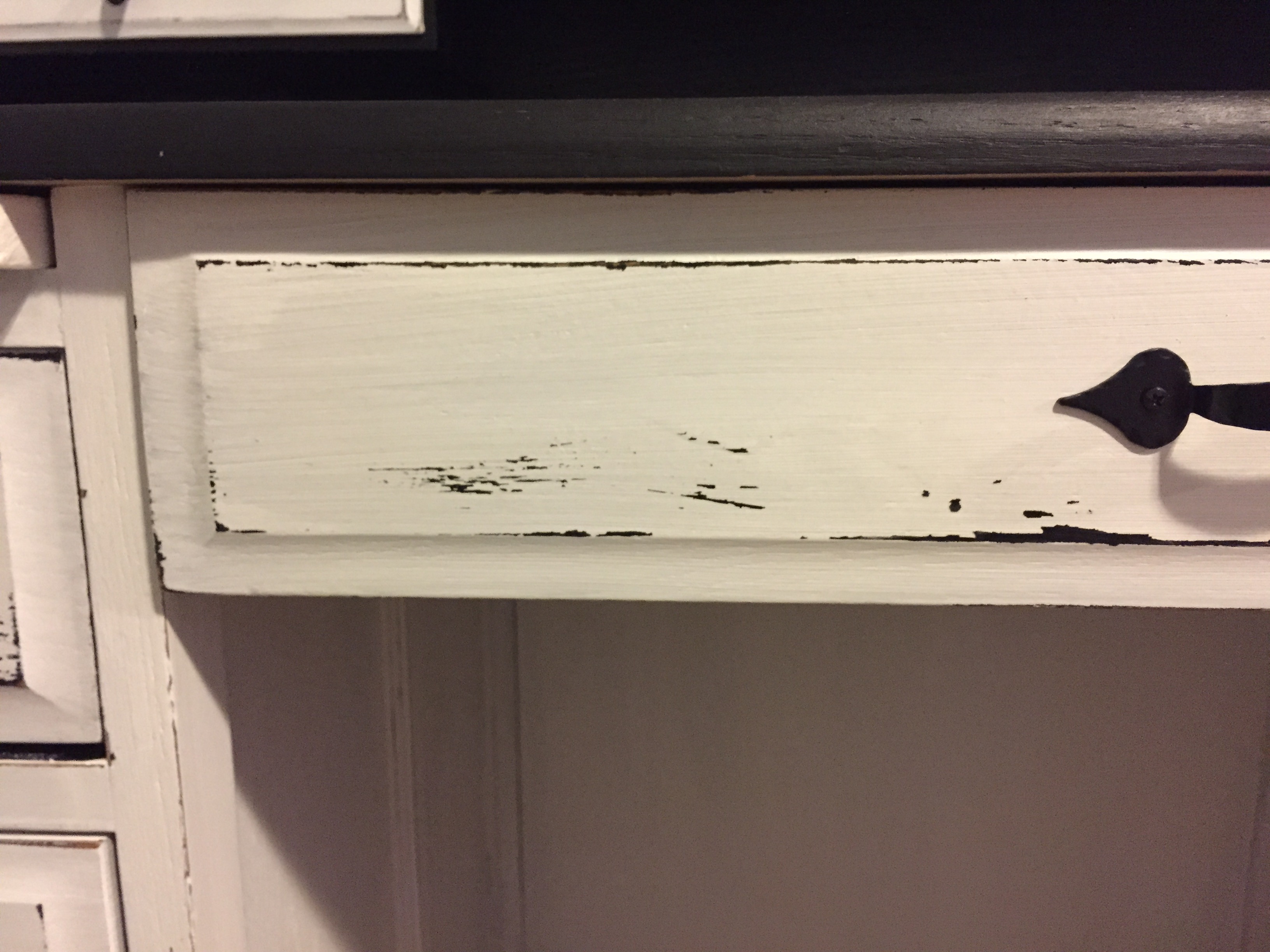
You work so hard to carefully paint the piece, then you spend time destroying the perfection. I oddly love this step, go figure. It actually lets you off the hook, and you can embrace any areas you felt like were “mistakes.” We can celebrate the imperfections now! I use 60 or 80 grit sandpaper on a sanding block and go to town. Concentrate on corners and edges that would normally experience wear and tear. I also like to use it as an opportunity to highlight interesting details in the piece. I just try to maintain some distressing consistency as I go along, comparing to previous sections as I go.

Rolltop Desk front desk drawer details   Rolltop Desk front drawer details

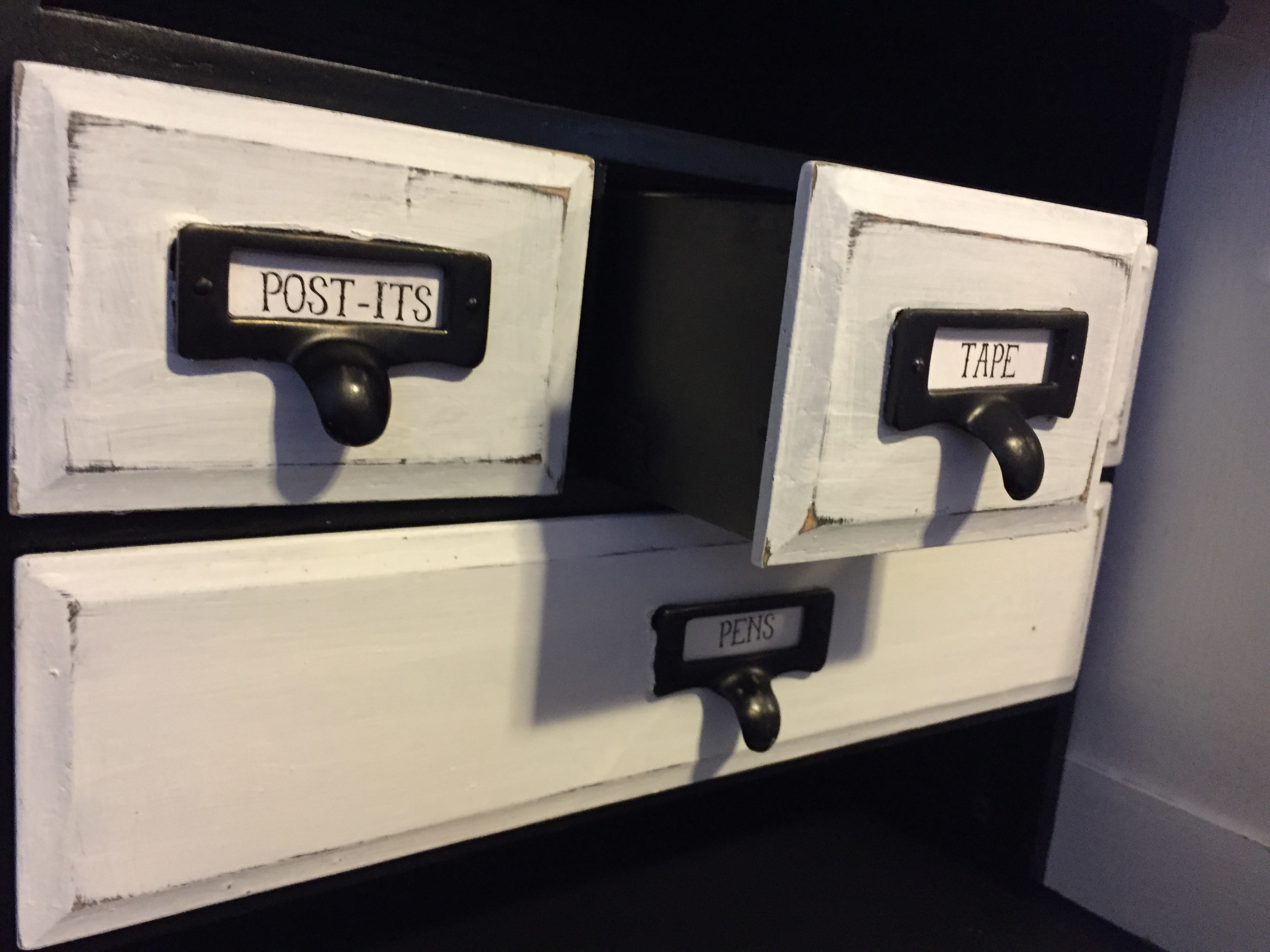
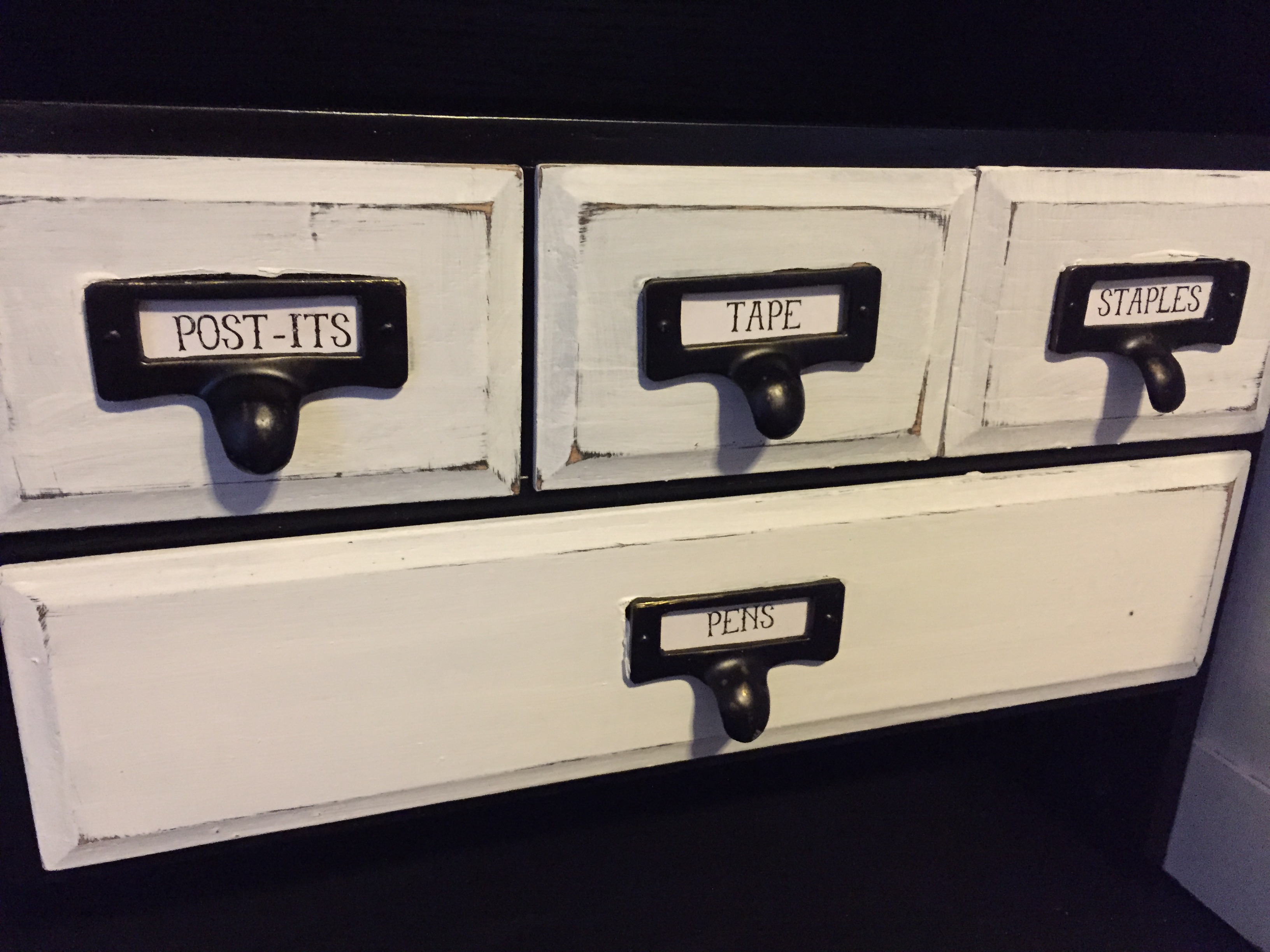
10. Print fun tags.
Just a final touch. I picked a vintage looking (and FREE) font and had fun printing out labels for the fun little drawers. I love this finishing touch!

Rolltop Desk drawers closeup   

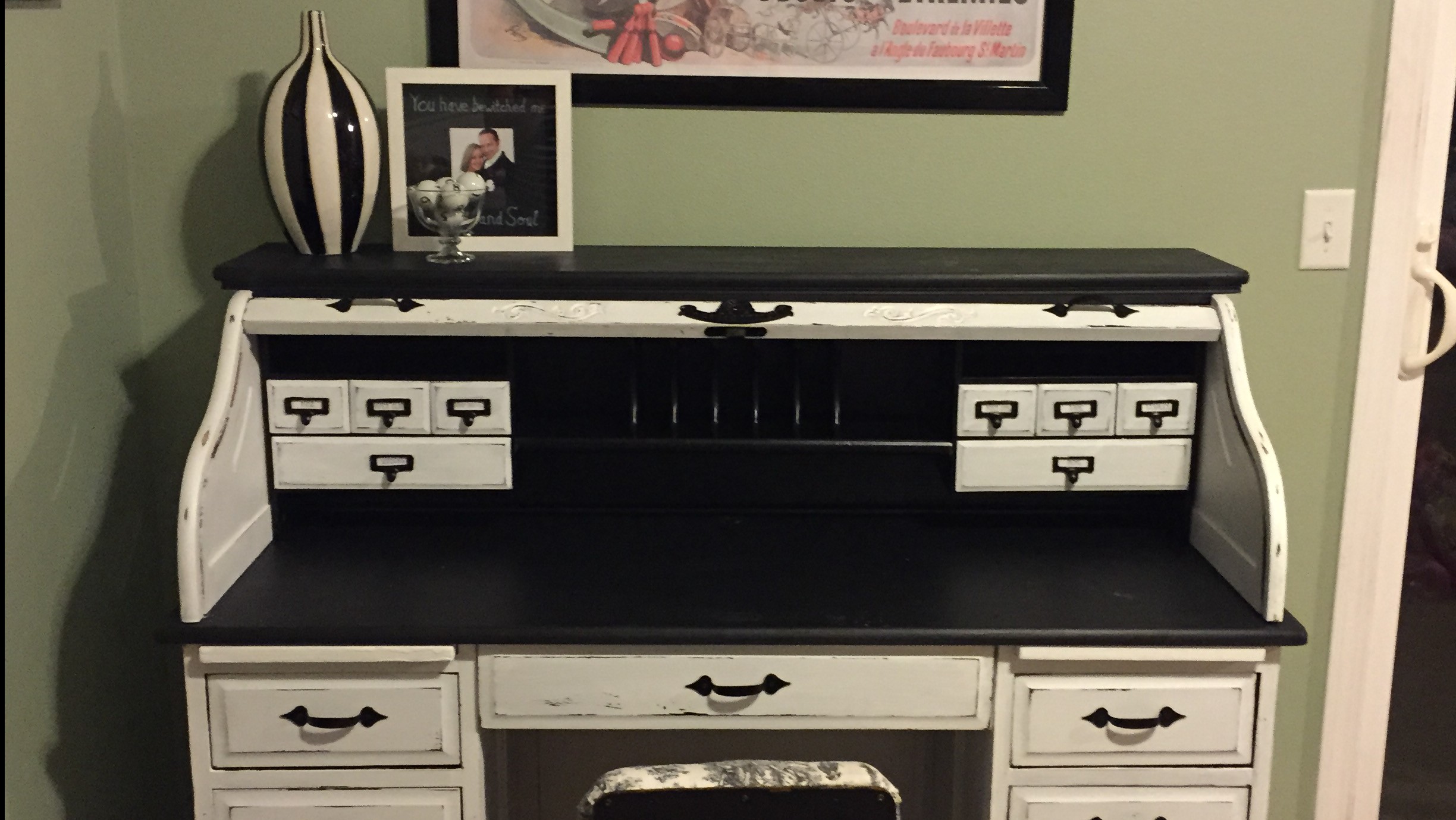
Feels like a brand new desk!
Rolltop Desk FINAL open     10 Tips for Painting a Rolltop Desk DIY1
–h